|
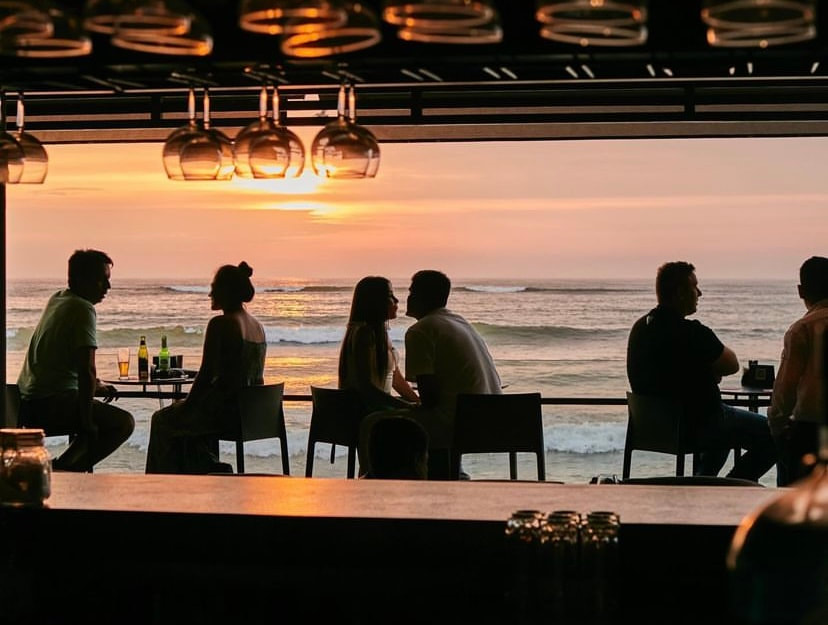
If you’ve been researching travel to Peru lately, you’ve probably seen headlines mentioning a state of emergency in Lima and Callao, or perhaps you’ve wondered, “Is it safe to travel to Peru right now?” As with many destinations, the reality on the ground often feels very different from what the news portrays. At The Lima Gourmet Company, we live and work here every day, guiding guests through Lima’s thriving culinary scene, exploring markets, and connecting with the city’s warm, generous people. So, in this article, we’ll give you the full, up-to-date picture of what’s really happening in Peru in late 2025: how the state of emergency affects travel, where to exercise caution, what the current safety recommendations are, and why Peru remains one of the most fascinating and rewarding destinations in the world. In This ArticleUnderstanding the State of Emergency in Lima and Callao (October 2025) Why Did the Peruvian Government Declare a State of Emergency? Are There Protests in Peru Right Now? Are Restaurants and Tours Operating Normally? Is It Safe to Travel to Peru Right Now (2025)? How Safe Is Peru for American Tourists? Where Is the Safest Place to Visit in Peru? What Not to Bring to Peru Why Peru Remains a Top Destination in 2025 & 2026 Understanding the State of Emergency in Lima and Callao (October 2025)On October 22, 2025, the Government of Peru declared a 30-day State of Emergency in the Province of Metropolitan Lima and Callao to address growing security concerns. The measure allows the Armed Forces to support the National Police (PNP) in maintaining public order. Under the state of emergency, authorities have the right to restrict movement or assembly if necessary, and security forces may request identification (such as a passport or Peruvian ID). This is a preventive step, not a crisis, and it primarily targets crime prevention, not tourism. Importantly, there is no curfew in place, and businesses, restaurants, hotels, and tourist attractions are open and operating normally. Daily life continues as usual in neighborhoods like Miraflores, Barranco, and San Isidro, which are Lima’s main tourist and culinary hubs. Why Did the Peruvian Government Declare a State of Emergency? The government’s goal is to increase security in specific high-risk areas of Lima and Callao. These zones are largely commercial and not frequented by tourists. The measure is preventive and temporary, allowing security forces to focus on organized crime and improve public safety. In other words, the state of emergency reflects control and preparedness, not instability. Are There Protests in Peru Right Now?Occasional protests occur in Peru, typically related to local or political issues. When they happen, they’re mostly concentrated in downtown Lima, far from tourist areas like Miraflores and Barranco. If demonstrations take place, local authorities may redirect traffic, but it’s rare for them to affect travelers. At The Lima Gourmet Company, we monitor the situation daily and adjust routes when necessary to ensure a safe, seamless experience for all our guests. Are Restaurants and Tours Operating Normally?Yes, absolutely. Lima’s restaurants, cafés, and bars remain open and vibrant, continuing to serve both locals and visitors. In fact, you’ll find that the city’s culinary scene is as exciting as ever. Our Lima Gourmet food tours are running daily, introducing guests to the best of Peruvian cuisine, from local markets to seaside pisco sours overlooking the Pacific. The state of emergency has not affected tourism operations, flights, or hospitality services. 👉 Related: Book a Lima Gourmet Food Tour Is It Safe to Travel to Peru Right Now (2025)?Yes, Peru is safe to travel to in 2025, especially when you follow normal precautions and explore with reputable local guides. Tourist districts are calm, friendly, and full of life. Thousands of visitors explore Lima, Cusco, Machu Picchu, Arequipa, Puno, and the Amazon every day without issues. Cafés are open, families stroll along the malecón, and travelers continue to experience the warmth and hospitality Peru is famous for. How Safe Is Peru for American Tourists?Peru has a long history of welcoming visitors from around the world, including the United States. The U.S. Embassy advises travelers to maintain awareness, avoid demonstrations, and secure valuables, the same guidance given for most large cities. American travelers consistently report feeling comfortable and well cared for, especially in established tourist zones and when traveling with licensed local operators. Where Is the Safest Place to Visit in Peru?While much of Peru is safe, these regions are particularly secure and well-prepared for international tourism:
What Not to Bring to PeruTo travel smart and avoid hassles, here’s what to leave behind:
Bring a photocopy of your passport (not the original when walking around), and keep your valuables secure. Why Peru Remains a Top Destination in 2025 & 2026Despite occasional headlines, Peru continues to captivate travelers with its authenticity, warmth, and culinary excellence. Lima is a city that surprises: cosmopolitan yet traditional, innovative yet deeply rooted in its heritage. You can wander Barranco’s cobbled streets, sip coffee by the sea, or dine in one of the world’s top restaurants, all in a single day. Beyond the capital, the Sacred Valley, Machu Picchu, Arequipa, and the Amazon remain bucket-list experiences that blend adventure with serenity. 👉 Related: Final Thoughts: Travel Smart, Travel ConfidentlySo, is it safe to travel to Peru right now?
Yes, Peru remains a safe, welcoming, and inspiring country to explore. The state of emergency is a preventive measure aimed at enhancing security, not restricting tourism. Flights, hotels, tours, and attractions are open. Life feels normal: full of color, flavor, and friendliness. At The Lima Gourmet Company, we stay connected to the local pulse every day, ensuring our guests feel both informed and inspired. With the right preparation and trusted guidance, you’ll experience the very best of Peru safely, joyfully, and deliciously. ¡Buen viaje! 👉 Plan your culinary experience today: Book Your Lima Gourmet Tour
0 Comments
When travelers think of Peru, they often picture Machu Picchu’s misty peaks, the vivid hues of Cusco’s markets, or Lima’s award-winning restaurants. But to truly feel Peru, to sense its heart, you must not only taste it but listen to it. After all, music is everywhere, in the background at restaurants, in shops and boutiques, and even in taxis en route to your next destination.
At The Lima Gourmet Company, we’ve always believed that food is more than flavor; it’s memory, movement, and emotion. Music, much like cuisine, tells the story of a nation, its migrations, celebrations, and transformations. So, we created the Lima Gourmet Soundtrack, a collection of six Spotify playlists designed to accompany your Peruvian adventure: before your trip as a teaser, during your travels to set the rhythm, and after your journey as a sensory souvenir. Each playlist is a gateway into a different dimension of Peruvian identity, from the highlands to the coast, from the ancient to the avant-garde. Together, they form an emotional, cultural, and auditory journey through the soul of Peru. 1. Lima Gourmet: Roots of the Andes
Cultural Note:
Andean music reflects centuries of cultural fusion. After the Spanish conquest, European string instruments like the guitar merged with native flutes and drums, birthing unique hybrids like the charango. The melancholic tone, often mistaken for sadness, actually expresses nostalgia and connection to the land, the community, and the spiritual world. Taste Connection: Much like a bowl of chupe andino or pachamanca, this music is earthy, layered, and rooted in tradition. Listening to these melodies as you journey through the Sacred Valley or Lake Titicaca transforms landscapes into symphonies. 2. Lima Gourmet: Rhythms of the Coast
The Rhythms of the Coast playlist captures this spectrum: the soulful cry of the Afro-Peruvian festejo, the elegance of the vals criollo, and the emotional storytelling that binds them. You’ll hear Perú Negro’s celebratory energy, Nicomedes Santa Cruz’s verses reclaiming heritage, and Bartola’s renditions of classic waltzes that feel like Sunday afternoons in a patio in Lima.
Cultural Note: Coastal Peruvian music is the sonic equivalent of cultural fusion. Spanish colonizers brought European harmonies; Africans brought rhythm and soul; Indigenous peoples added melodic depth. Over centuries, this blend birthed genres like festejo, landó, and vals criollo, each one an audible reflection of Peru’s layered identity. Taste Connection: Like Lima’s creole cuisine, coastal music is all about contrast, salty and sweet, fiery and tender. Think of tacu tacu, ají de gallina, or suspiro limeño, dishes that mirror the same emotional and rhythmic complexity found in Chabuca’s waltzes or a Baca ballad. 3. Lima Gourmet: Electro Cumbia Nights
Cultural Note:
Cumbia in Peru is more than a dance genre; it’s social history. Born from Amazonian towns, it migrated to Lima with waves of internal migration, evolving into chicha, a sound that gave voice to working-class dreams. Its bright, defiant energy speaks to Peru's mosaic of identities, where color, chaos, and creativity collide. Taste Connection: This playlist pairs perfectly with Lima’s street food: spontaneous, colorful, and impossible not to move to. Like picarones drizzled with syrup or a tangy maracuyá sour, cumbia is joy made audible. 4. Lima Gourmet: Modern Peru
Cultural Note:
This musical movement mirrors the contemporary Peruvian food scene, young chefs reinterpreting heritage recipes for modern palates. Both art forms are built on respect for roots and a desire to tell new stories through old languages, whether those are culinary or musical. Taste Connection: Imagine a tasting menu at one of Lima’s top restaurants, every bite a dialogue between past and present. It's a parallel to the Modern Peru soundtrack: sophisticated, experimental, and irresistibly Peruvian. 5. Lima Gourmet: Amor y Sabor
Cultural Note:
Romantic music in Peru is deeply tied to criollismo, Lima’s cultural identity movement of the 20th century. The waltz (vals criollo) became the soundtrack of patios, serenades, and neighborhood celebrations, blending European structure with Afro-Peruvian rhythm and poetic Spanish lyrics. Taste Connection: Love songs and Lima’s cuisine share one trait: passion. Both are crafted to be felt. A suspiro limeño dessert or a slow guitar strum, both sweet, rich, and best shared, reveal Peru’s romantic soul. 6. Lima Gourmet: Peruvian Rock
Cultural Note:
Peru’s rock scene emerged during politically turbulent times. For many young Peruvians, rock was a form of protest, an escape from conformity and chaos. Despite censorship and economic hardship, the movement flourished underground, proving creativity’s resilience. Taste Connection: Rock in Peru is like anticuchos grilled over charcoal, smoky, raw, and undeniably local. It’s a reminder that even rebellion has flavor, and that passion, whether through sound or spice, is universal. Where Music and Flavor Come Together
At The Lima Gourmet Company, our mission has always been to reveal Peru’s soul through its flavors, but flavor doesn’t live in isolation. It’s part of a cultural orchestra where history, geography, and emotion all play their parts.
Music and food are parallel art forms:
Explore Lima Gourmet's Peru Playlist
Travel isn’t just about seeing, it’s about feeling.
And in Peru, to feel is to listen.
So before your next trip, open your ears, open your heart, and let the Lima Gourmet Soundtrack be your guide. Because in every beat, like every bite, lies a story worth savoring. ¡Buen viaje! Peru’s capital is a city of contrasts: colonial plazas, bohemian neighborhoods, pre-Incan ruins, bustling markets, and a coastline that hugs the Pacific Ocean. Add in a rich culinary tradition, and Lima isn’t just a stopover on the way to Machu Picchu, it’s a destination in itself. Over the years, we’ve designed our tours to combine the best of Lima’s food culture with the most iconic landmarks and neighborhoods, so our guests walk away with a true sense of place. Whether you join us for a daytime food tour, an evening food tour, a Lima city tour or a full-day trip to Ica, here are the unforgettable landmarks you’ll encounter and a few stories that make them extra special. Barranco: Lima’s Bohemian Soul
Barranco Main Plaza The Plaza de Armas of Barranco is the neighborhood’s main square. Locals gather here in the evenings to chat on park benches under the shade of towering trees, and it’s framed by the district’s town hall and a church, the Iglesia de la Santísima Cruz. For us, it’s a perfect spot to soak in the atmosphere while we dive into hidden corners of the district. Bajada de los Baños From the plaza, we descend the Bajada de los Baños, a walkway that leads down to the ocean. Historically, this path connected local residents to Lima’s beaches, where fishermen launched their boats. Today, it’s flanked by murals and restaurants, but the same salty breeze still greets us as we make our way toward the sea. Puente de los Suspiros (Bridge of Sighs) No visit to Barranco is complete without pausing at the Puente de los Suspiros, the “Bridge of Sighs.” Legend has it that if you cross the bridge while holding your breath and making a wish, it will come true. Writers and musicians have immortalized this bridge in their work, and we always love watching guests take part in the tradition, hoping their wish follows them long after they leave Lima. Ermita Church From the bridge, you’ll also spot the Ermita Church, one of the oldest buildings in Barranco. Though partially in ruins, its weathered façade holds stories of devotion and survival, particularly after earthquakes shook the city. It’s a visual reminder that Lima is both fragile and resilient, a theme you’ll see throughout the city’s history. Miraflores & La Costa Verde
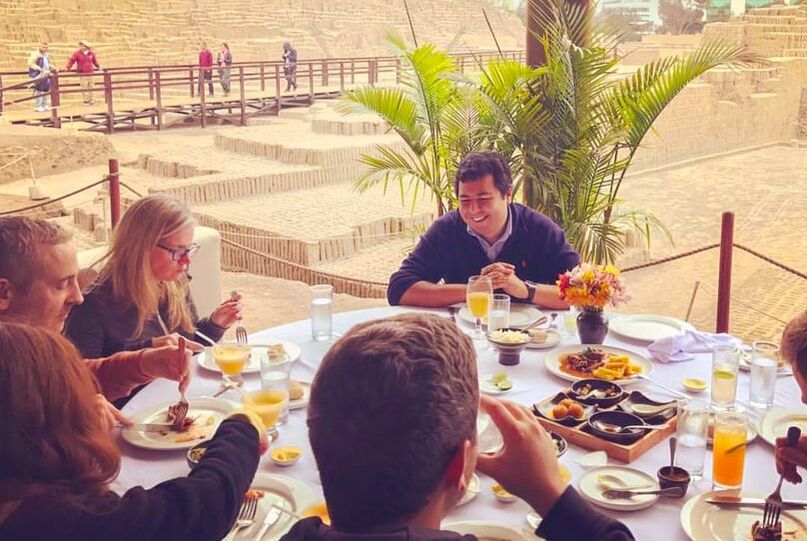
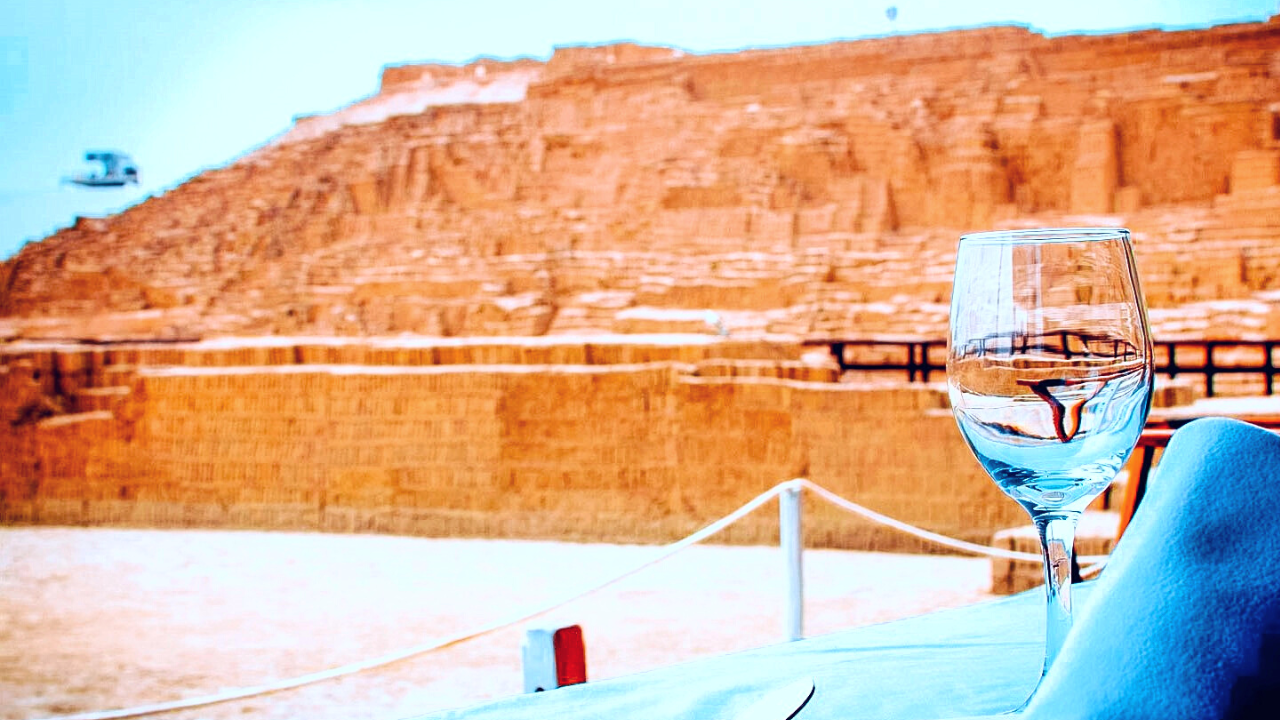
Paragliders float above us while surfers ride the Pacific waves below. It’s one of the few places in the world where you can see a bustling capital city perched right on the edge of the ocean, and it’s a view that never fails to impress. Huaca Pucllana: Ancient Ruins in the CityThe construction technique is mind-blowing at scale: thousands of hand-shaped adobe bricks stacked vertically, almost like books on a shelf, designed to withstand earthquakes. It paints a seamless image of Lima’s past and present coexisting as modern buildings emerge just beyond the archeological complex. Local Markets: Lima’s Pulse
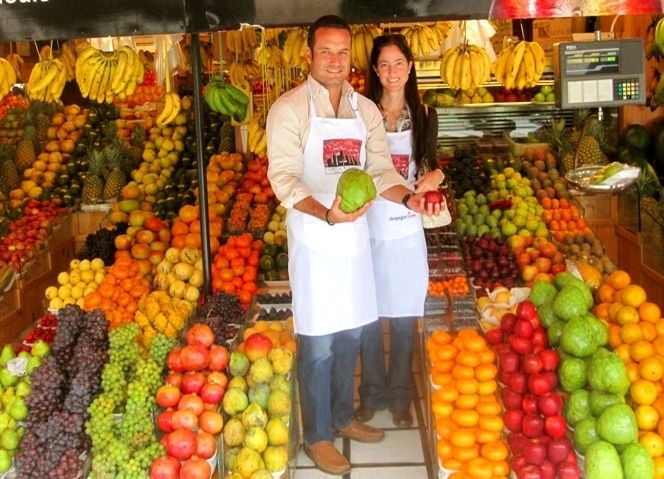
Markets are where Peru’s culinary diversity truly shines. With ingredients from the coast, Andes, and Amazon all under one roof, it’s like tasting the geography of the country in a single bite. Avenida Sáenz PeñaOn our evening food tour, we add a stroll along Avenida Sáenz Peña in Barranco. This elegant boulevard, lined with restored Republican-era mansions, comes alive at night with soft lighting and a romantic atmosphere. Many of these historic homes now house galleries or boutique hotels, making the avenue a living example of how Lima preserves its past while embracing the future. The Lima City Tour: Where History Unfolds
Historic Center of Lima Next, we head to the historic center, a UNESCO World Heritage Site. Here, Spanish colonial architecture meets bustling city life.
The Ica Day Trip: Beyond Lima
Why Landmarks and Food Just Go TogetherYou might wonder: why pair landmarks with food? For us at The Lima Gourmet Company, the answer is simple. Food is culture, and culture is lived in the streets, plazas, and neighborhoods of Lima. By combining visits to these iconic sites with tastings of superfood ceviche, pisco, and tropical fruits, we give our guests a 360-degree experience of Peru. Travel isn’t just about checking landmarks off a list, it’s about feeling that heartbeat of a city, connecting with its people, and melting into its flavors. And Lima, with its rich history and world-renowned cuisine, offers all of that in abundance. Plan Your TourIf you’re planning your trip to Peru, we’d love to welcome you on one of our tours. Visit The Lima Gourmet Company to book your experience and start your journey into the heart (and flavor!) of Lima.
¡Buen viaje y buen provecho! If you’ve ever strolled through a Peruvian market, you’ll know they’re not just places to shop, they’re kaleidoscopes of color, aroma, and tradition. As the co-founder of The Lima Gourmet Company, I’ve spent years guiding curious travelers through these bustling aisles, introducing them to the ingredients that define Peruvian cuisine. Among the vibrant stalls, a handful of superfoods consistently capture travelers’ attention. They’re not only delicious but also come with fascinating histories, health benefits, and cultural stories that make them worth discovering. Whether you’re planning a trip to Peru or simply intrigued by its world-renowned gastronomy, here are 10 Peruvian superfoods you’ll find in local markets, and why you’ll want to try them. 1. Quinoa: The Inca’s “Golden Grain”Known as the mother grain of the Incas, quinoa has been cultivated in the Andes for over 5,000 years. You’ll find baskets overflowing with white, red, and black quinoa in every Peruvian market.
2. Maca: The Natural Energy BoosterMaca root grows high in the Peruvian Andes, often above 4,000 meters, where few other crops can survive. Its powdered form shows up in smoothies, porridges, and even cocktails.
3. Lucuma: Peru’s “Gold of the Incas”If you’ve ever tried ice cream in Peru, you’ve likely tasted lucuma. It’s the country’s favorite flavor, surpassing even chocolate and vanilla!
4. Camu Camu: The Vitamin C PowerhouseCamu camu looks like a small, tangy berry, but don’t let its size fool you, it’s one of the richest natural sources of vitamin C in the world.
5. Chirimoya: The Custard AppleMark Twain once called chirimoya “the most delicious fruit known to man”, and after tasting it, most travelers agree.
6. Purple Corn: The Secret to Chicha MoradaPurple corn is the base of chicha morada, Peru’s beloved non-alcoholic drink that you’ll find in markets, restaurants, and street stalls alike.
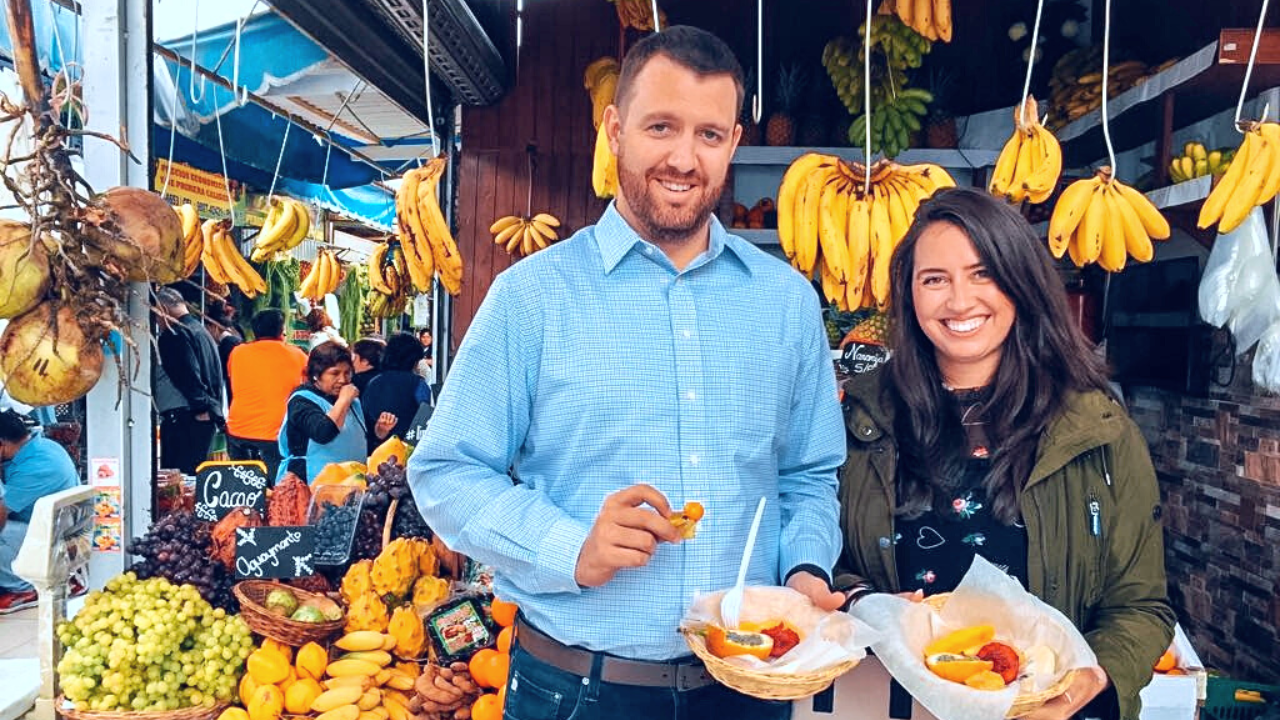
7. Goldenberries: AguaymantoThese little orange berries, wrapped in papery husks, are as pretty as they are nutritious.
8. Sacha Inchi: The Inca PeanutSacha inchi may look like a star-shaped nut, but it’s actually a seed from the Amazon.
9. Amaranth: KiwichaAnother ancient grain, kiwicha (amaranth), was so important to the Incas that it was often used in ceremonies.
10. Cacao: The “Food of the Gods”Peru is one of the world’s top cacao producers, and its beans are considered among the finest for making artisanal chocolate.
On our PM Lima food tour, guests are always amazed by the versatility of cacao compared to the sugary chocolate bars they’re used to. Why Superfoods Matter in PeruFor Peruvians, these superfoods aren’t just health trends, they’re a part of daily life, woven into family recipes and celebrations. For travelers, discovering them in local markets is like opening a window into Peru’s history, biodiversity, and culinary creativity. At The Lima Gourmet Company, we believe that food is the most authentic way to experience a culture. That’s why we design Lima food tours that don’t just let you taste these superfoods but help you understand their stories. Ready to Taste Peru’s Superfoods?If you’re planning a trip to Peru, make sure to leave room in your itinerary (and your stomach) for its incredible markets and superfoods. Join us on a Lima Gourmet food tour, and we’ll take you straight to the heart of Peru’s culinary traditions.
Because here in Peru, every bite tells a story. And we can’t wait to share those stories with you. ¡Buen viaje y buen provecho! When people think of Peruvian food, ceviche, lomo saltado, and pisco sours usually come to mind. But hidden behind the fame of Peruvian gastronomy is a rainbow of exotic fruits that you’ll rarely, if ever, find outside South America. And trust us, these fruits alone are worth hopping on a plane for. In this article, we’ll walk you through some must-try Peruvian fruits, sharing their flavors, traditions, and a few fun stories along the way. By the end, you’ll not only know what to taste but also why these fruits are such an integral part of Peruvian culture. Why Peru is a Fruit Lover’s Paradise
1. Lucuma: The “Gold of the Incas”
Lucuma is rarely eaten raw (it’s a little dry and starchy), but blended into ice cream, smoothies, or desserts, it becomes pure magic. In fact, lucuma ice cream is more popular in Peru than chocolate or vanilla! Whenever we see travelers’ faces light up after their first spoonful of lucuma ice cream, it reminds me how special it is to share these traditions. Traveler tip: Don’t leave Peru without trying lucuma ice cream or a lucuma mousse. And if you join our AM Lima food tour, we’ll make sure you get a taste. 2. Chirimoya: The Custard Apple
Chirimoya is native to the Andean valleys and was cultivated by pre-Columbian civilizations long before Spanish conquistadors arrived. Today, it still feels like a treat from the gods, best enjoyed while sitting in a sunny plaza, savoring each spoonful. 3. Granadilla: The Sweet PassionfruitThere’s even a bit of a ritual to eating granadilla. Tap the shell on the table, peel it open with your hands, and slurp up the pulp. For kids in Peru, this is often their first introduction to food as it’s said to aid in digestion and prepare the tummy for further solids. Eating granadilla is the only time it’s socially acceptable to slurp loudly in public. 4. Aguaymanto: The Incan Berry
We love offering aguaymanto to travelers because their eyes always widen at the first taste; it’s simultaneously familiar and exotic. 5. Camu Camu: The Superfruit of the Amazon
6. Tuna: The Prickly Pear
7. Cocona: The Amazonian Tomato
8. Maracuyá: Passionfruit
Where to Taste These Fruits in Lima, PeruThe best place to experience Peru’s fruits is in a local market. In Lima, I recommend visiting:
Of course, exploring a market on your own can feel overwhelming, especially if you don’t speak Spanish or know what to look for. That’s where we come in at Lima Gourmet Company. On our Lima food tours, we guide you through the stalls, introduce you to vendors, and make sure you try the very best fruits in season. Final Thoughts: Taste Peru One Fruit at a TimePeru’s fruits are more than just snacks, they’re living history, connecting us to ancient civilizations, local traditions, and the biodiversity of the land.
So when you’re planning your trip, make sure to leave room in your itinerary (and your stomach!) to try lucuma, chirimoya, granadilla, aguaymanto, camu camu, tuna, cocona, and maracuyá. And if you want to go deeper, join us on a Lima Gourmet Company food tour. We’ll not only help you taste these incredible fruits but also give you the stories, traditions, and laughs that make the experience unforgettable. Because here in Peru, every fruit tells a story, and we love to share them with new friends. ¡Buen provecho! Hola, Sam from Lima Gourmet here. If I’ve learned one thing after years of guiding travelers through Lima's vibrant food culture, it’s that Peru’s drinks aren’t just tasty, they’re stories in a glass. They whisper of ancient rituals, regional pride, family celebrations, and modern-day reinvention. Whether you're planning your first visit to Lima or curating your culinary journey across Peru, these five iconic Peruvian drinks will give your trip unforgettable flavor and maybe even turn that curiosity into a lasting adventure. 1. Pisco Sour: Peru’s National Cocktail & Culinary Show-stopperWhy It’s Iconic Originating in early 20th-century Lima (some say at Morris’ Bar), the Pisco Sour has evolved into a national symbol and our go-to icebreaker for tours. On our Lima food tours, we often invite guests to shake up their own Pisco Sour, complete with layered foam and lime zest. It’s as fun to make as it is to sip, and it’s the perfect toast to your Peruvian discovery. Where to Experience It This cocktail features prominently on both our AM Lima Food Tour and PM Lima Food Tour, where we guide you through city flavors and stories over a well-shaken Pisco Sour. Want a taste of the sunset by the sea? You'll find it in our PM Tour, served seaside before dinner amid the glow of Lima’s coastline. 2. Mistela: The Sweet Vineyard Secret
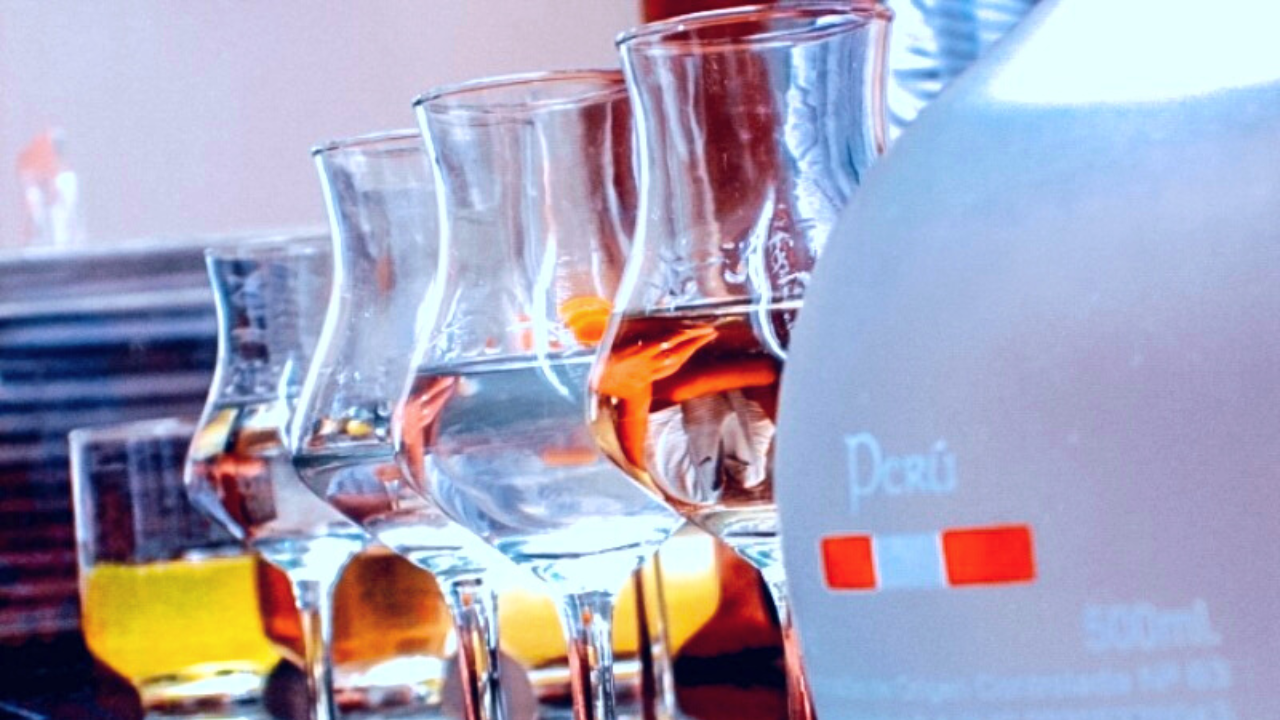
A Vineyard Tradition Mistela thrives in regions like Ica and Tacna, where grape harvests were once celebrated with family-made batches. It symbolized abundance and hospitality, passed around in gatherings to toast the season’s fruits. How We Share It Mistela surfaces in our Lima cooking class or to end the night on a high during our Evening Food Tour. 3. Chicha: Ancient Depths, Modern RefreshmentA Taste of the Past Chicha de Jora was brewed centuries ago in clay pots and poured during rituals honoring Pachamama. Today, regional festivals still serve it as a living link to the Inca Empire. Meanwhile, Chicha Morada is made by simmering purple corn with pineapple, cinnamon, and cloves to make a refreshment that’s as healthful (full of antioxidants) as it is tasty. On the Tour & On the Table In Lima, we love recommending guests who prefer non-alcoholic libations to try a sip of Chicha Morada paired with fresh ceviche, a local favorite, cool, sweet, and tangy all at once. Try it on our AM Lima Gourmet Tour, where tradition meets contemporary flavor amid the city's buzz. 4. Inca Kola: Peru’s Beloved Bubble-gum-Yellow SodaPop Culture in a Bottle Launched in 1935, Inca Kola quickly became a fixture at family dinners and street-food stands. Today, it remains a national icon, children adore it, grandparents grew up with it, and visitors find it unexpected and utterly Peruvian. Where to Sip It Looking for a quirky contrast? Try an Inca Kola over your lomo saltado. Or ask your guide on our Lima Food Tours for a non-alcoholic surprising pairing. We love watching guests’ faces light up when they try it for the first time. 5. Lucuma Shake: The Gold of the Incas in Every SipIncas Knew Best Lucuma was revered by ancient Peruvians and its legacy lives on in modern desserts across the country: ice cream, mousse, cakes… but nothing showcases it better than a shake. Tour Highlight I remember one guest saying, “I’ll never taste anything like this again!” on our Lima Gourmet Tour. Find this unique flavor on our AM Lima Gourmet Food Tour. More Than Flavor, It’s a Story in Every SipWhat makes these drinks unforgettable isn’t just their flavor, it’s their context. Each one carries centuries of culture, regional pride, and innovative spirit. On our Lima Food Tours, you’ll discover:
Want to Learn More Before You Go?Need to know what to pack for Lima’s varied climates? Our Lima Travel Tips blog covers everything from packing for coastal walks to Andean altitude layering. Curious about Lima’s must-visit museums and vibrant neighborhoods? Check our post on Lima’s top cultural hotspots: Barranco, MALI, Huaca Pucllana, and more. Want the full story of how Lima Gourmet started and why Sam and Lucas launched it? You’ll love our “Our Story” blog post. Raise a Glass (or Three) to Your Peruvian AdventureYour Peruvian drink journey is more than a tasting, it’s a cultural immersion. Whether it’s the frothy Pisco Sour, the sweet mystery of Mistela, the ancestral flavors of Chicha, the nostalgic zing of Inca Kola, or the silky delight of a lúcuma shake, you’re sipping through centuries of heritage.
If you’re ready to make these flavors and their stories part of your Peru adventure, let us be your guide. Reach out to book one of our AM or PM Lima Gourmet Tours, explore day trips like Ica & the oldest vineyard in South America, or dream up a private experience just for you. From "¡Salud!" to unforgettable memories, your taste of Peru awaits. Every city has its secrets, and Lima is no different. We’ve put together some "inside information" and travel tips for Barranco, our favorite corner of the city. Barranco is one of Lima's 43 districts, but in our opinion, it has the most color, flavor, culture, art, and tradition - all mixed into one fantastic space in the city. Although it's the smallest district in Lima, it has it all. This blog will explore what to do, where to eat, and what to visit to make the most of your time in Barranco, Lima. |
|
Where to stay in Lima is likely one of the first orders of business to sort out while planning your trip to Peru. No doubt that a city of 10 million inhabitants spread across 43 diverse districts can render a city overwhelming to navigate, even for the seasoned traveler. Having served over 10,000 clients that have had the pleasure to discover the city, we are happy to pool their insights together with our local knowledge to give you a few tips that will hopefully make this part of the planning stage less daunting. Out of the 43 districts mentioned above, we can safely narrow it down to two that beat out the other 41 contenders: Miraflores and Barranco. So let's take a look at what they have to offer: |
MIRAFLORES · LIMA, PERU
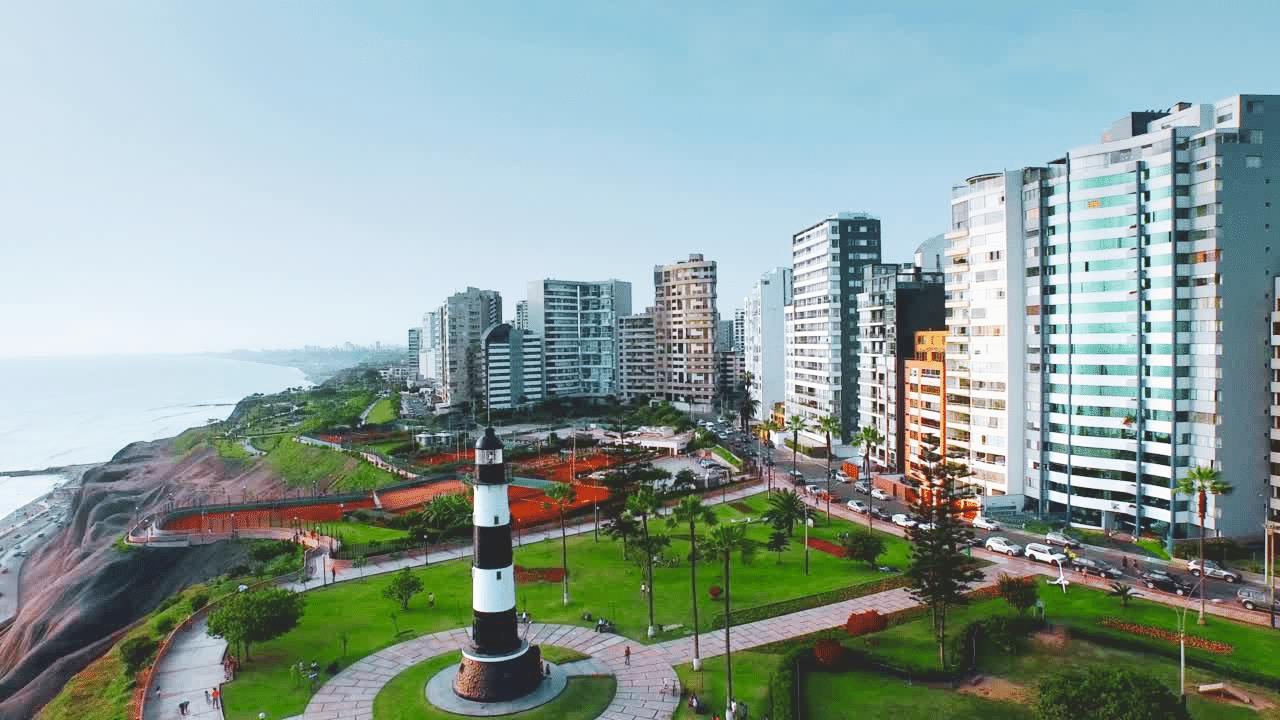
Miraflores has been the center of tourism in the city for decades. Located on a gorgeous stretch of the Pacific coast, this neighborhood has it all. It's a lively district with plenty of dining options (among the top restaurants in the world) and nice walks along the coast. Whether you want something quiet or activities in a more "happening" area, you'll find it here. Another bonus is that most of the hotels are located in areas where you can easily walk from one place to another, and nothing in Miraflores is more than a 10-minute taxi ride away. It has something for everyone: surfing, cultural tours of Lima that include visits to pre-Incan temples, paragliding, food tours, shopping, and even wifi-enabled public parks. Here's our breakdown
ATTRACTIONS IN MIRAFLORES
Outdoor Attractions in Miraflores
Emblematic Parks of Miraflores
Cultural Attractions in Miraflores
Shopping in Miraflores
- Malecón de Miraflores, or the clifftop boardwalk that runs through the district
- Surfing in Miraflores, jump right in or take surf classes in Miraflores
- Paragliding along Lima's coastline
- Rent a bike and explore Miraflores on two wheels
Emblematic Parks of Miraflores
- Kennedy Park, the central park of Miraflores
- Parque del Amor, with its mosaics and sculptures by Victor Delfin and Marcelo Wong
- Parque Maria Reiche, landscaped gardens of the Nazca Lines along the coast
- Reducto No. 2 Park, where you'll find artillery and a historic train caboose
Cultural Attractions in Miraflores
- Tour pre-Incan ruins at the Huaca Pucllana
- Visit the Amano Museum
Shopping in Miraflores
- Larcomar, a seaside mile embedded in the cliff
- Inca Market, an outdoor market with several stalls selling artisanal handcrafts
- La Paz Avenue, a street peppered with antique and silver items
RESTAURANTS IN MIRAFLORES
Miraflores has established itself as the mover and shaker of the foodie scene in Lima, until Barranco started gaining steam (which we'll cover below). Get your reservations squared away with plenty of time in advance as space is limited. However, if you prefer winging it, there is no shortage of options. Some of our favorites include:
Maido: Nikkei (Peruvian-Japanese fusion) one of the world's best restaurants many times over
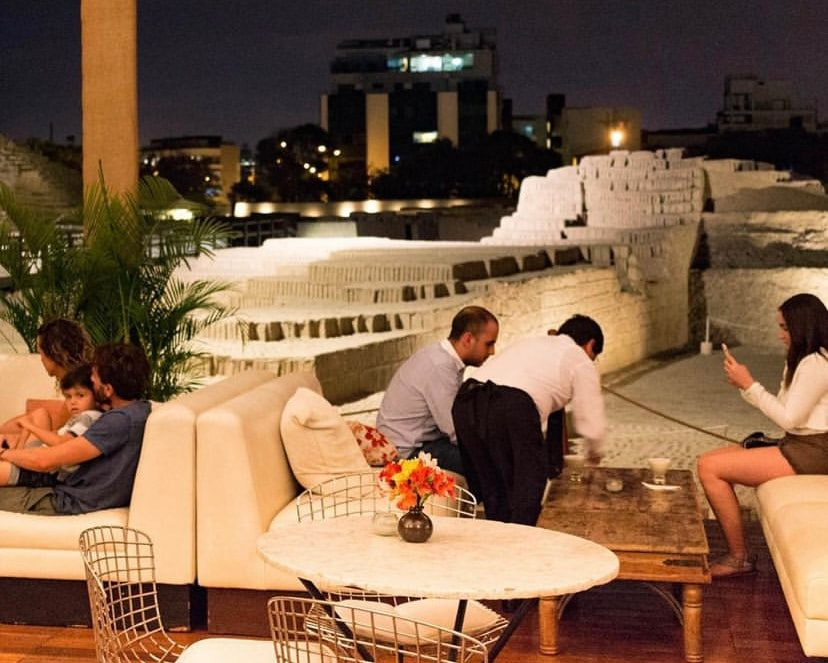
Huaca Pucllana Restaurant: get the terrace seating for spectacular views of the pre-Incan site
El Mercado: Amazingly fresh seafood with a consistently fun and vibrant ambience
Limaná: For fans of sustainability as well as vegans and vegetarians
Maido: Nikkei (Peruvian-Japanese fusion) one of the world's best restaurants many times over
Huaca Pucllana Restaurant: get the terrace seating for spectacular views of the pre-Incan site
El Mercado: Amazingly fresh seafood with a consistently fun and vibrant ambience
Limaná: For fans of sustainability as well as vegans and vegetarians
MIRAFLORES AIRPORT TRANSFERS
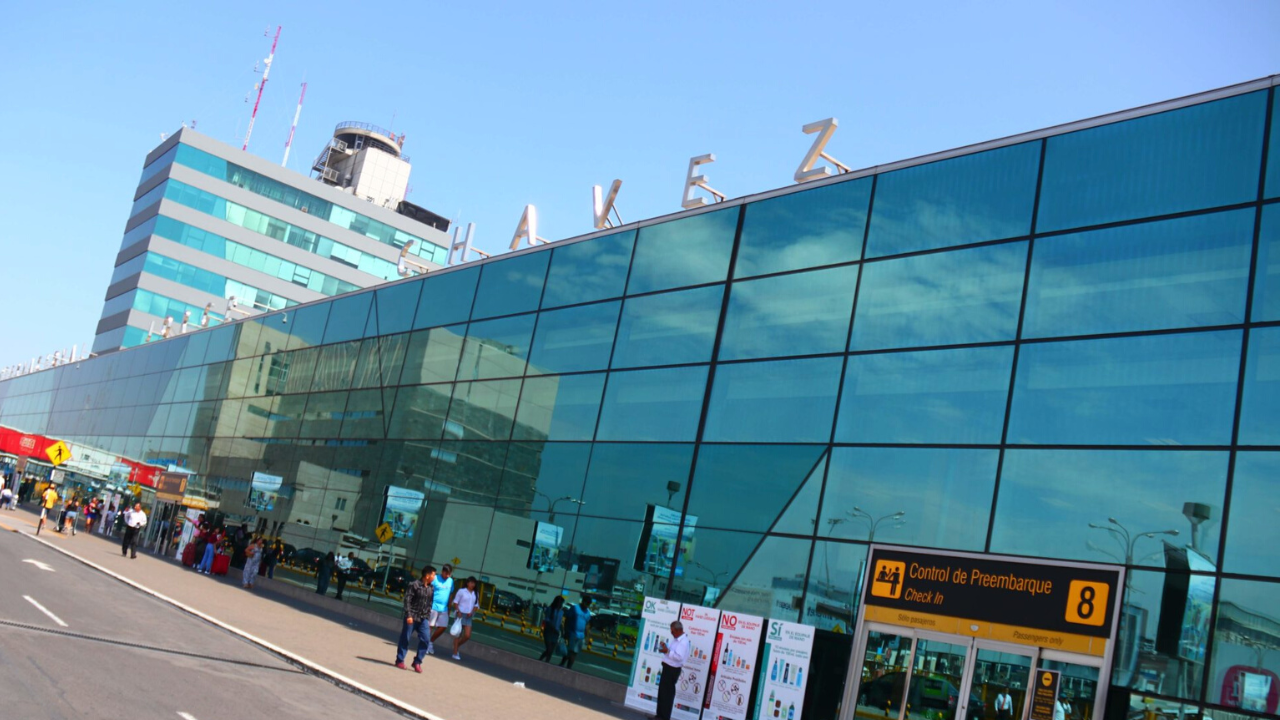
Traffic in Lima can be chaotic and unpredictable. If you are trying to catch a flight, you don't want to leave it to luck. Usually rides from anywhere in Miraflores to the airport will take you from 45 minutes to one hour. If you are making the trek early on a Sunday morning you can shave 15 minutes off of that estimate, but on a Friday night, if you hit the really bad traffic, it can take you up to 90 minutes.
BARRANCO · LIMA, PERU
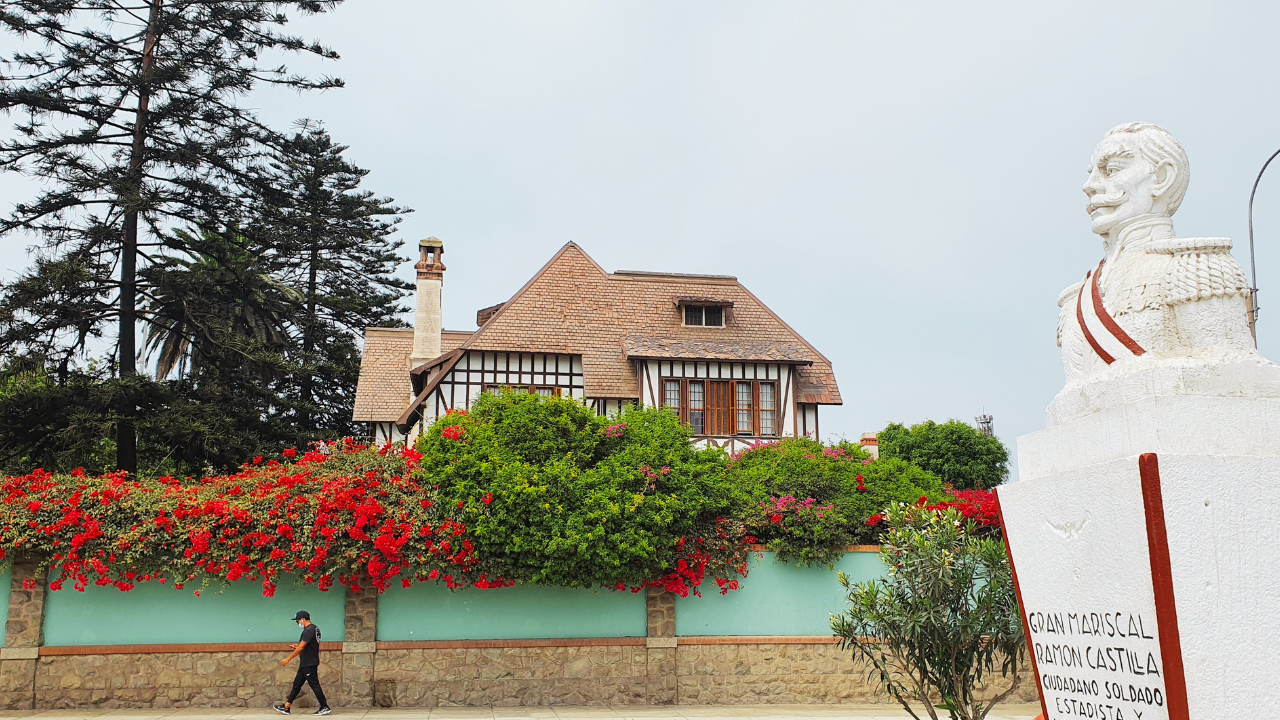
If you are looking for an authentic and eclectic step back in time, Barranco is the place to be. Many buildings and areas are officially protected as part of the cultural heritage, therefore the Republican and colonial facades give the district personality that you would be hard-pressed to find elsewhere. This district is considered to be the bohemian, romantic and artsy center of life in Lima and there is no shortage of fascinating art galleries, shops with unique, hand-crafted goods and an emergence of hip bars and restaurants to give Miraflores a run for its money.
ATTRACTIONS IN BARRANCO
Cultural Attractions in Barranco
Bridge of Sighs
Barranco's main plaza
Bajada de los baños
Mirador (lookout) at Barranco
Museums in Barranco
Pedro de Osma Museum
Museum of Contemporary Art (MAC)
Art Galleries in Barranco
Jade Rivera Gallery
Dédalo Gallery
80m2 Livia Benavides Galler
Bridge of Sighs
Barranco's main plaza
Bajada de los baños
Mirador (lookout) at Barranco
Museums in Barranco
Pedro de Osma Museum
Museum of Contemporary Art (MAC)
Art Galleries in Barranco
Jade Rivera Gallery
Dédalo Gallery
80m2 Livia Benavides Galler
RESTAURANTS IN BARRANCO
Barranco is a very walkable district and due to the stunning architectural heritage and graffiti art masterpieces, it would be a shame if you missed it by opting to move around by car. The district abounds in tiny restaurants that offer varied cuisine, Barranco having leveled up (some would say surpassed) Miraflores in terms of its foodie scene. Here are a few of our favorites:
Central: another pick among the world’s best restaurants, sustainable and artistic
Kjolle: and again, another global favorite, with the chef Pia Leon at the helm
Isolina: yet again, another worldwide winner dishing up Peruvian comfort food
Siete: boutique, under-the-radar kind of vibe with the freshest dishes around
Mérito: pushes the envelope in terms of creativity while offering impressive flavor
Nuestro Bistro: signature cuisine giving Peruvian ingredients a new twist
Central: another pick among the world’s best restaurants, sustainable and artistic
Kjolle: and again, another global favorite, with the chef Pia Leon at the helm
Isolina: yet again, another worldwide winner dishing up Peruvian comfort food
Siete: boutique, under-the-radar kind of vibe with the freshest dishes around
Mérito: pushes the envelope in terms of creativity while offering impressive flavor
Nuestro Bistro: signature cuisine giving Peruvian ingredients a new twist
BARRANCO AIRPORT TRANSFERS
Barranco is the next district over from Miraflores, in the opposite direction of the airport. In terms of actual, physical distance, the difference isn't much, but with traffic you can add 10 minutes to the Miraflores estimates, so on average, 55 minutes to an hour and 10 minutes.
HOTELS IN LIMA
In Lima you'll find everything from large international chains, like the JW Marriott, to quaint B&Bs like Second Home Peru. Our faves in terms of boutique hotels include Casa Republica, Villa Barranco, and Hotel B, and as for the chains, you can't go wrong with Marriott (both JW and AC), the Hilton, Aloft or Casa Andina.
Now, if you just want to sit back and relax and leave it to the pros, you can check out our Lima food and city tours which cover both districts plus San Isidro, the main sights, some hands-on activities and was designed for people who have limited time in Lima but who want to see the city and taste the best dishes in one day.
THINGS TO DO IN LIMA
Here's a map of some of our favorite places around Lima. ¡Buen viaje!
Planning your trip to Peru? Whether you're trekking to Machu Picchu, losing yourself in the bold flavors of ceviche in Lima, or exploring the Amazon jungle, what you pack can make or break your experience. With Peru's diverse climates and varied terrain, smart packing is essential. This guide will help you feel confident, stylish, and prepared, no matter where your Peruvian adventure takes you.
What to Wear in Peru: Dressing for Every Climate
Peru is a country of variety. One moment you're basking in desert sun, the next you're wrapped in a scarf high in the Andes. Your wardrobe should reflect the country’s microclimates, from coastal humidity to mountain chill. Here are the essentials:
Coastal Regions (e.g., Lima, Paracas):
Highland Regions (Cusco, Sacred Valley, Arequipa):
Jungle Regions (Amazon Basin, Iquitos, Tambopata):
Coastal Regions (e.g., Lima, Paracas):
- Lightweight, breathable fabrics (linen, cotton)
- Dresses, shorts, and t-shirts
- Swimsuit and sandals
- Sunglasses and a wide-brim hat
Highland Regions (Cusco, Sacred Valley, Arequipa):
- Layered clothing is key
- Thermal leggings and shirts
- A heavy sweater or fleece
- Rain jacket and a foldable down jacket
- Gloves, scarf, and a warm hat
Jungle Regions (Amazon Basin, Iquitos, Tambopata):
- Long-sleeved shirts and pants for mosquito protection
- Breathable, quick-dry fabrics
- Waterproof boots or closed-toe shoes
- Poncho or rain jacket
- Insect repellent and biodegradable sunscreen
How to Pack for 10 Days in Peru
For a 10-day trip covering Lima, Cusco, and Machu Picchu, packing smart is all about layering and versatility. Choose pieces you can mix and match across regions and occasions. Here's your master list:
| Clothing Essentials:
Outdoor Hiking Gear:
Shoes:
| Toiletries & Health:
Electronics:
Accessories:
|
What Do I Pack for Machu Picchu?
Hiking to Machu Picchu is a bucket-list moment. Whether you’re doing the Inca Trail, taking the train, or visiting with a tour group, you'll want to be prepared for sun, rain, and serious elevation.
| Day Trip Must-Haves:
| Inca Trail or Overnight Treks:
|
Pro Tip: Your guide will carry first-aid basics, but pack personal medications and a few extra bandaids or blister pads.
FAQs: Packing for Peru
How to dress when visiting Peru?
Layer, layer, layer. Opt for breathable fabrics for warm areas and cozy, thermal layers for the highlands. Add a rain jacket for the unpredictable Andean weather and something presentable for dining out in Lima.
What to pack for 10 days in Peru?
Versatility is your best friend. Think layers, essentials for hiking, a rainproof outer layer, comfortable shoes, and toiletries. Stick to a neutral color palette so everything goes together.
What to wear in Peru for different regions?
What do I pack for Machu Picchu?
Bring a small daypack, sun protection, snacks, water, passport, and weather-appropriate clothing. If hiking, pack hiking gear, wet wipes, and extra layers.
Is Peru cold?
It depends! The coast is mild and humid, the Andes can be nippy (especially at night), and the jungle is hot and sticky. Plan for all three depending on your itinerary.
Should I bring fancy clothes?
Yes, one outfit. Peru's food scene is world-class and some restaurants have a smart-casual vibe. Pack a wrinkle-free dress or shirt and pants combo.
Do I need hiking boots?
If you’re doing any trekking, absolutely. Even for non-hikers, sturdy walking shoes are a must for uneven trails.
Can I buy things in Peru if I forget something?
Yes, but quality may vary. Pharmacies and markets carry basics, and larger cities have outdoor gear shops. Still, bring the essentials with you.
Layer, layer, layer. Opt for breathable fabrics for warm areas and cozy, thermal layers for the highlands. Add a rain jacket for the unpredictable Andean weather and something presentable for dining out in Lima.
What to pack for 10 days in Peru?
Versatility is your best friend. Think layers, essentials for hiking, a rainproof outer layer, comfortable shoes, and toiletries. Stick to a neutral color palette so everything goes together.
What to wear in Peru for different regions?
- Lima/Coast: Light and stylish, with sunscreen
- Cusco/Andes: Warm layers, waterproof gear
- Amazon: Quick-dry, breathable clothes and insect repellent
What do I pack for Machu Picchu?
Bring a small daypack, sun protection, snacks, water, passport, and weather-appropriate clothing. If hiking, pack hiking gear, wet wipes, and extra layers.
Is Peru cold?
It depends! The coast is mild and humid, the Andes can be nippy (especially at night), and the jungle is hot and sticky. Plan for all three depending on your itinerary.
Should I bring fancy clothes?
Yes, one outfit. Peru's food scene is world-class and some restaurants have a smart-casual vibe. Pack a wrinkle-free dress or shirt and pants combo.
Do I need hiking boots?
If you’re doing any trekking, absolutely. Even for non-hikers, sturdy walking shoes are a must for uneven trails.
Can I buy things in Peru if I forget something?
Yes, but quality may vary. Pharmacies and markets carry basics, and larger cities have outdoor gear shops. Still, bring the essentials with you.
Wherever you’re headed in Peru, from the vibrant streets of Lima to the breathtaking heights of the Andes, being prepared makes all the difference. Now that you know what to pack for Peru, you can spend less time stressing over your suitcase and more time soaking in this magical country.
Save this guide, share it with a fellow traveler, and let the adventure begin!
Ah, Lima. The beating heart of Peru’s gastronomic revolution, a coastline city where waves crash against cliffs just beneath art galleries and fragrant gardens. For years, Lima was politely passed over, little more than a layover en route to Cusco or the Amazon. But not now. Peru's capital has blossomed into a must-experience destination in its own right, and I’m here to help you decide just how many days you’ll need to give Lima the attention it deserves.
Spoiler: it’s more than one.
Let’s dive in.
Spoiler: it’s more than one.
Let’s dive in.
How many days is enough for Lima?
If you’re just here for the ceviche (no judgment), then one day might do. But if you want to truly feel Lima, its energy, elegance, grit, and grace, then allow yourself at least three days. Let me show you why.
1 Day in Lima:
Great for first-timers with a tight itinerary. Think: a leisurely walk through the colonial city center, ceviche in Miraflores, and sunset over the Pacific.
2 Days in Lima:
Now we’re talking. Add a deeper dive into local culture with a food tour (hello, Pisco sours and Nikkei cuisine!) and a jaunt through the bohemian Barranco district.
3 Days in Lima:
Perfect. You’ll have time to see historic sites and escape the city for a day trip to ancient ruins like Pachacámac or the stunning coastal reserve of Paracas and the Ballestas Islands.
4–5 Days in Lima:
Foodies, culture lovers, and slow travelers rejoice! This gives you room to delight in the culinary scene, explore hidden gems, and maybe even join a cooking class or visit local markets (we can help with that, by the way).
In short:
1 Day in Lima:
Great for first-timers with a tight itinerary. Think: a leisurely walk through the colonial city center, ceviche in Miraflores, and sunset over the Pacific.
2 Days in Lima:
Now we’re talking. Add a deeper dive into local culture with a food tour (hello, Pisco sours and Nikkei cuisine!) and a jaunt through the bohemian Barranco district.
3 Days in Lima:
Perfect. You’ll have time to see historic sites and escape the city for a day trip to ancient ruins like Pachacámac or the stunning coastal reserve of Paracas and the Ballestas Islands.
4–5 Days in Lima:
Foodies, culture lovers, and slow travelers rejoice! This gives you room to delight in the culinary scene, explore hidden gems, and maybe even join a cooking class or visit local markets (we can help with that, by the way).
In short:
- 1 day = appetizer
- 2 days = main course
- 3+ days = full tasting menu, with wine pairing
What is the best month to visit Lima?
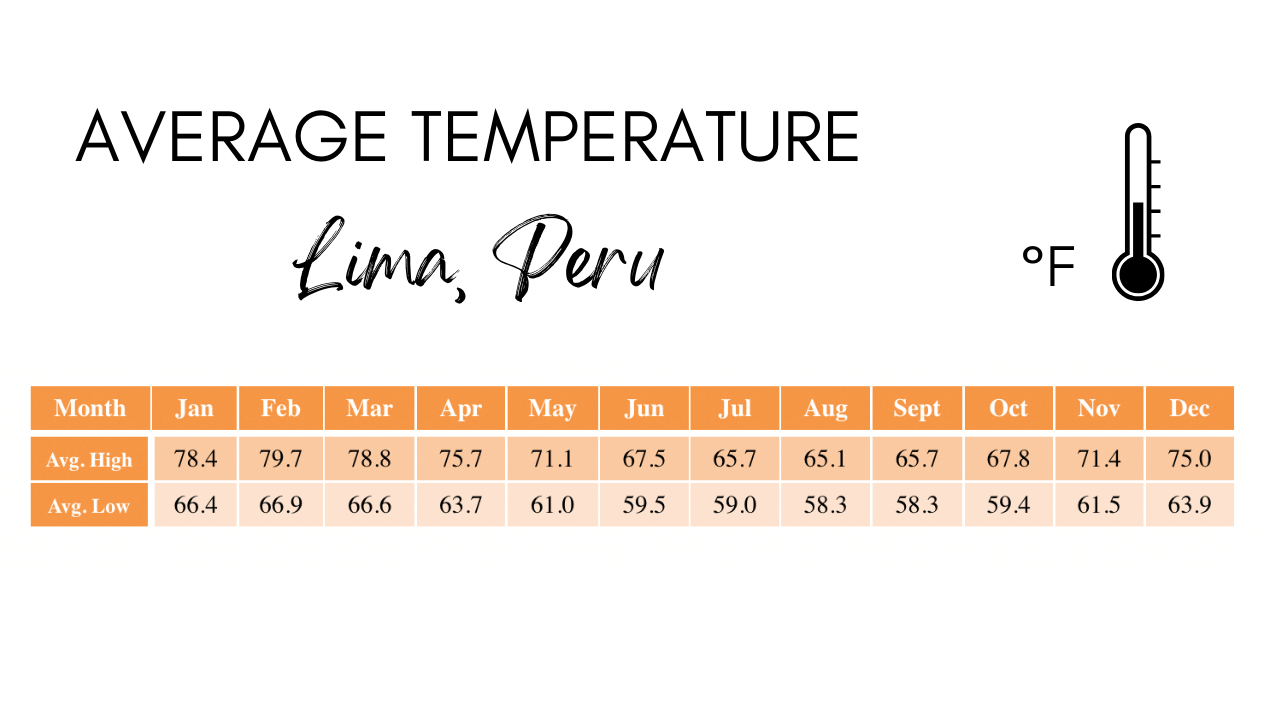
Here’s the good news: Lima is a year-round destination. The not-so-secret secret is that the best time to visit Lima is from December through April.
Let’s break it down by season:
- December to April – Summer in Lima:
Warm, sunny, and oh-so-lovely. Perfect beach weather and clear skies for those coastal views. Pack light clothing and your sunglasses. Just know this is also when Peruvians take their summer holidays, so reservations are a must. - May to November – Lima’s “Gray” Season:
Locally known as La Garúa, this is Lima’s coastal mist at its most dramatic. While you won’t see much sun, this time is ideal for foodies, it’s harvest season in the Andes and Amazon, which means peak ingredients for our chefs. Plus, cooler temps are perfect for long city walks and museum hopping.
Is Lima a walkable city?
Yes and no. Lima is enormous (we're talking over 10 million people), and not all of it is made for strolling. But the areas where most travelers spend time? Wonderfully walkable.
The best neighborhoods for walking:
Bottom line: Lima is partially walkable, enough to get a real sense of place, but taxis are your friend if you're hopping between districts.
The best neighborhoods for walking:
- Miraflores:
Think oceanfront parks, upscale shops, sidewalk cafés, and safe, clean paths. The Malecón (a clifftop path) offers ocean views, art installations, and even paragliding. A must. - Barranco:
Our artsy, boho neighbor to the south. Cobblestone streets, colorful murals, and charming architecture. Don’t miss the Puente de los Suspiros. Legend has it, if you hold your breath as you cross while making a wish, it’ll come true. - Centro Histórico (City Center):
A UNESCO World Heritage site. Picture ornate churches, colonial balconies, and Baroque cathedrals. Start at Plaza Mayor and wander from there. It’s bustling, so watch your belongings and wear comfy shoes.
Bottom line: Lima is partially walkable, enough to get a real sense of place, but taxis are your friend if you're hopping between districts.
Should I spend more time in Lima or Cusco?
The age-old Peru planning dilemma. Both cities are iconic, but they offer completely different flavors. The short answer? Split your time strategically based on your interests.
Choose Lima if you:
Start in Lima to adjust to the time zone and altitude (sea level is your friend), get your fill of amazing cuisine, and explore Peru’s modern capital. Then, head to Cusco ready to hike, explore ruins, and immerse yourself in Andean mysticism.
Ideal itinerary?
2–3 nights in Lima → 4–5 nights in Cusco → 1 night in the Sacred Valley or Aguas Calientes → Machu Picchu. Then back to Lima for one last Pisco Sour before flying out.
Choose Lima if you:
- Are a foodie or architecture nerd
- Love ocean views, vibrant street art, and coastal vibes
- Prefer a lower altitude (Lima is at sea level, unlike Cusco)
- Enjoy museums, ruins, and modern-meets-colonial contrast
- Want to explore Incan culture and history
- Are heading to Machu Picchu (most people are)
- Love mountain trekking and spiritual retreats
- Don’t mind high altitude (Cusco sits at 3,400 meters / 11,200 ft)
Start in Lima to adjust to the time zone and altitude (sea level is your friend), get your fill of amazing cuisine, and explore Peru’s modern capital. Then, head to Cusco ready to hike, explore ruins, and immerse yourself in Andean mysticism.
Ideal itinerary?
2–3 nights in Lima → 4–5 nights in Cusco → 1 night in the Sacred Valley or Aguas Calientes → Machu Picchu. Then back to Lima for one last Pisco Sour before flying out.
Bonus: Perfect 2-Day Lima Itinerary
Day 1: Culture + Cuisine
- Morning: Start in the historic center, Plaza Mayor, San Francisco Monastery, Plaza San Martín.
- Lunch: Eat a traditional Peruvian meal at Casa Tambo or Tanta in the city center.
- Afternoon: Head to Miraflores. Walk the Malecón, stop at Parque del Amor, enjoy a coffee with a view.
- Evening: Dinner at a world-renowned restaurant (Central, Maido, etc.) Book in advance!
- Morning: Join The Lima Gourmet Company’s food tour. We’ll take you from bustling markets to tucked-away gems, all while sipping coffee, trying exotic fruits, and learning local culinary history.
- Afternoon: Explore Barranco boutiques and art galleries or head to the Larco Museum for a cultural immersion spanning 4,000 years.
- Evening: Sunset dinner at a seaside restaurant or a casual evening of piqueos and wine.
Ready to Taste Lima?
Whether you're stopping over for a night or building your whole trip around the capital, Lima delivers on style, flavor, and unforgettable experiences. And if you’re still unsure how many days is enough for Lima, let me offer this:
Come for the ceviche. Stay for the magic.
We’ll be waiting with a fork, a smile, and probably a chilled Pisco Sour in hand.
→ Curious about exploring Lima with us? Check out The Lima Gourmet Company’s food tours, because this city has its own flavor.
Come for the ceviche. Stay for the magic.
We’ll be waiting with a fork, a smile, and probably a chilled Pisco Sour in hand.
→ Curious about exploring Lima with us? Check out The Lima Gourmet Company’s food tours, because this city has its own flavor.
FAQ Recap
How many days is enough for Lima?
At least 2–3 days to experience the highlights. Food lovers or culture buffs may want 4–5 days.
What is the best month to visit Lima?
December to April for sun and blue skies. May to November for cooler, food-focused experiences.
Is Lima a walkable city?
Yes, in neighborhoods like Miraflores, Barranco, and the historic center. Use taxis to get between districts.
Should I spend more time in Lima or Cusco?
Both are essential. Lima is ideal for food and culture; Cusco is the gateway to Machu Picchu and the Andes. We recommend a mix of both.
Planning your dream trip to Peru? We’d love to help you get a taste of Lima. Until then, ¡buen viaje y buen provecho!
At least 2–3 days to experience the highlights. Food lovers or culture buffs may want 4–5 days.
What is the best month to visit Lima?
December to April for sun and blue skies. May to November for cooler, food-focused experiences.
Is Lima a walkable city?
Yes, in neighborhoods like Miraflores, Barranco, and the historic center. Use taxis to get between districts.
Should I spend more time in Lima or Cusco?
Both are essential. Lima is ideal for food and culture; Cusco is the gateway to Machu Picchu and the Andes. We recommend a mix of both.
Planning your dream trip to Peru? We’d love to help you get a taste of Lima. Until then, ¡buen viaje y buen provecho!
Your Lima Travel Guides
Things to do in Lima that make people fall in love with the city - that's precisely what we're after. We're Lucas and Sam, a Peruvian-American couple who have run the top tour in Lima for the past 14 years. It’s no coincidence that the best activities in Lima have to do with Peru’s amazing cuisine. This Kansas City girl and Lima native have lived all over the world in their corporate past lives but they traded in the daily grind for sharing their love of good food, showing off the city’s secrets and meeting awesome people along the way.
Tours
The ultimate Lima tours: no planning needed because we've already done the work for you. Prepare to experience the best of Lima.