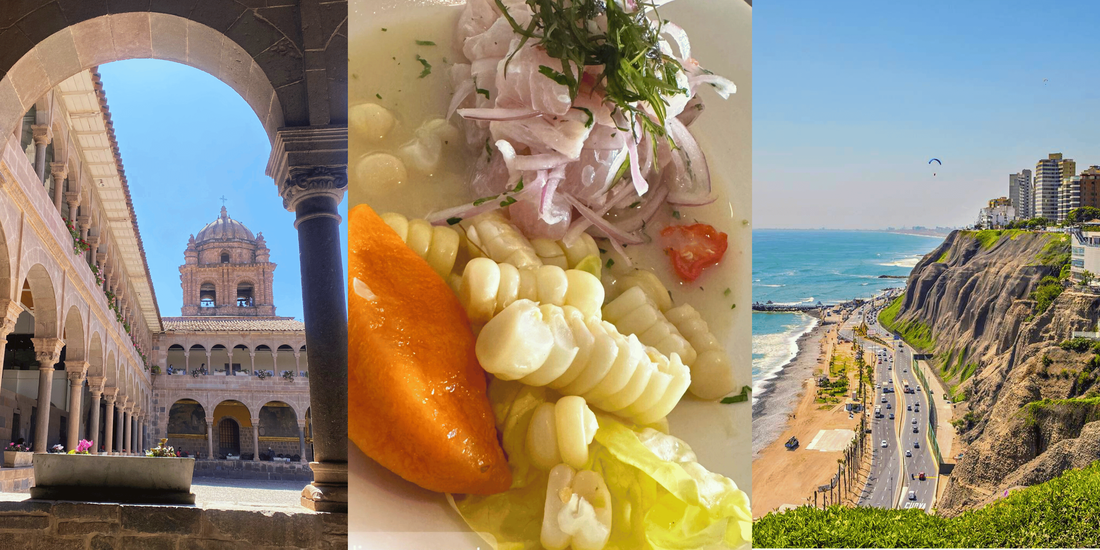
 With Lima hosting the Asia-Pacific Economic Cooperation (APEC) summit, visitors have a unique opportunity to explore the vibrant capital of Peru. Lima's rich history, diverse culture, and economic growth make it an ideal destination for conference attendees looking to experience South America. As a leading tour operator in the city, our passion is helping people fall in love with the place we call home. We’ve pooled our knowledge to bring you recommendations for a journey through Lima's cultural, economic, and social landscape, filled with immersive experiences and unique adventures during APEC Lima, Peru. Historical LimaImmerse yourself in Lima's colonial past and explore its historic landmarks and architectural marvels. From the bustling Plaza Mayor to the tranquil San Francisco Monastery, Day 1 offers a glimpse into Lima's rich heritage.
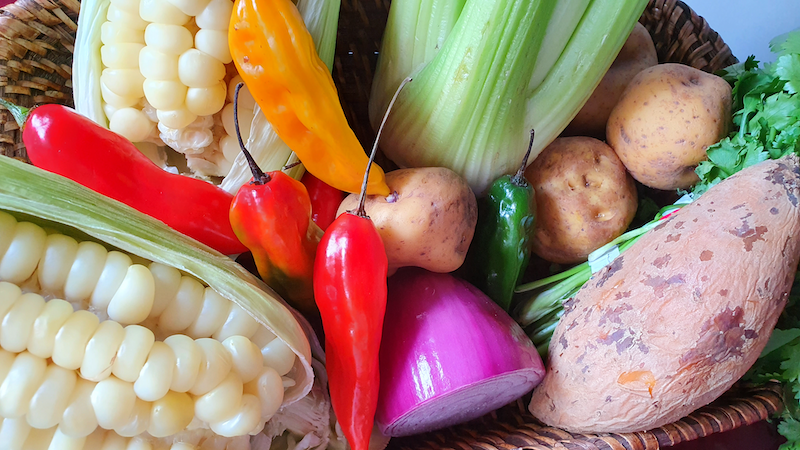
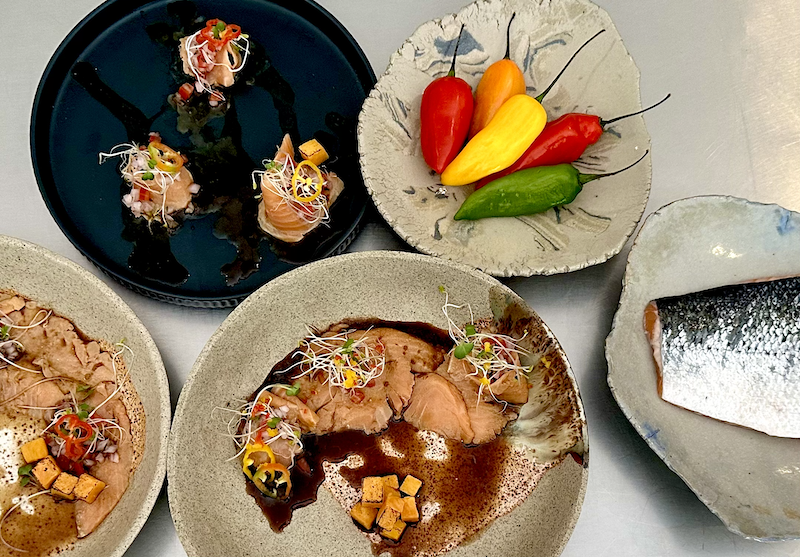
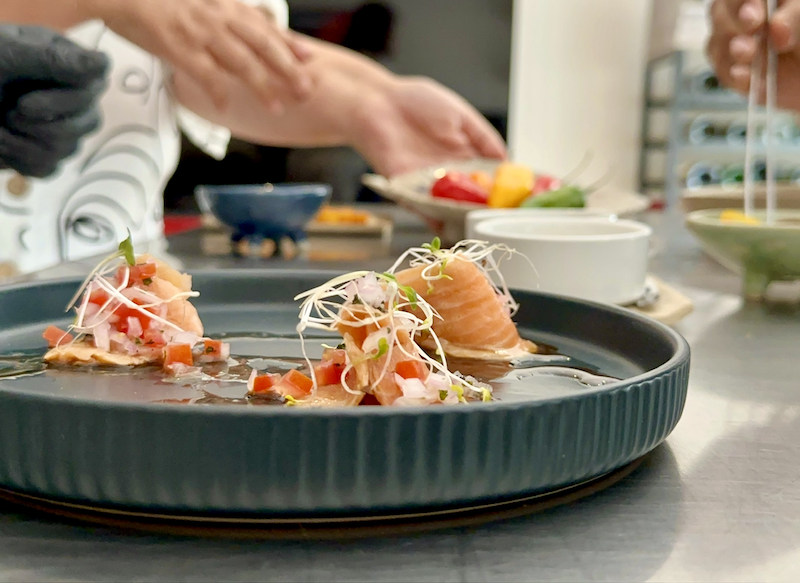
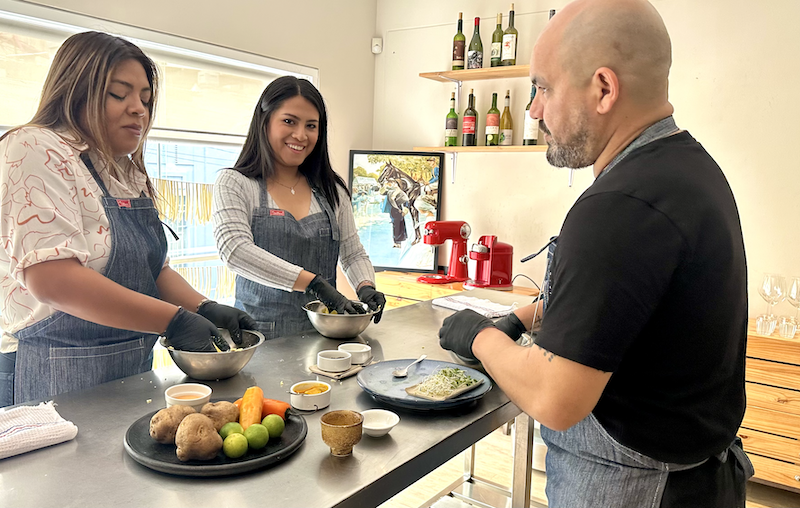
Culinary DelightsExperience the vibrant flavors and culinary diversity of Lima, known as the gastronomic capital of South America. From cooking classes to gourmet dining experiences, Lima is a feast for the senses.
Cultural ImmersionDive into Lima's ebullient cultural scene, from its museums to its ancient ruins, and modern cultural offering.
Reflection and DepartureAs your time in Lima comes to an end, try and take a moment to reflect on the experiences and memories you've created during APEC Lima, Peru. Whether you explored Lima's historical landmarks, indulged in its culinary delights, or engaged with its sustainable development initiatives, your journey will have deepened your understanding of Peru's culture, economy, and society.
As you bid farewell to Lima, carry with you the warmth of its people, the flavors of its cuisine, and the beauty of its landscapes. Until we meet again, may your experiences in Lima continue to inspire you and fuel your passion for exploration and discovery.
0 Comments
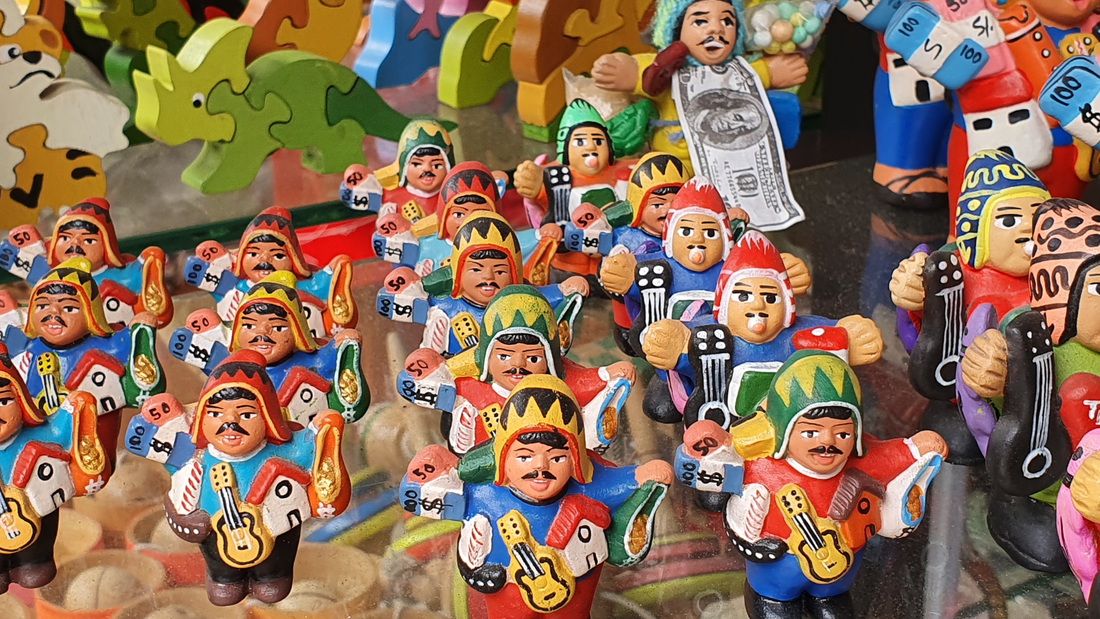 Are you dreaming of exploring Peru's mesmerizing landscapes, vibrant cultures, and ancient wonders? Look no further! This comprehensive blog will guide you through crafting the ultimate Peru travel itinerary. Whether you're a history buff, nature enthusiast, or cultural connoisseur, Peru has something extraordinary to offer. Join us as we unveil the secrets to a memorable Peruvian adventure. Let's dive into the magic of Peru and create a travel itinerary that suits your interests and preferences. Peru Travel ItineraryPeru is a land of incredible diversity, and crafting the perfect itinerary is key to unlocking its treasures. Picture this – a journey that seamlessly blends the energy of cities, the serenity of nature, and the richness of culture. Our suggestion? A flexible plan that allows you to enjoy the essence of Peru at your own pace. Whether you're exploring bustling markets in Lima, hiking the ancient trails around Machu Picchu, or immersing yourself in the cultural tapestry of Cusco, our itinerary caters to every traveler's desires. Must-Visit Places in PeruPeru boasts a lineup of must-visit places that will leave you breathless. Let's start with the iconic Machu Picchu – a UNESCO World Heritage site nestled in the Andes. But Peru is more than just Machu Picchu. Explore the historic streets of Cusco, where ancient Inca ruins blend seamlessly with colonial architecture. Lima, the vibrant capital, offers a taste of contemporary Peruvian life with its world-class restaurants and bustling neighborhoods. Or visit Arequipa, the white that rests at the foothills of volcanos. For nature enthusiasts, the Amazon rainforest awaits, teeming with biodiversity, with Tambopata being a top jungle destination. And don't miss the mystical Lake Titicaca, the highest navigable lake in the world, where traditional cultures thrive on its floating islands. How Many Days for a Peru Trip?Now, let's address the burning question – how many days should you spend in Peru? The sweet spot for a Peru trip is 7 to 10 days. While there's no one-size-fits-all answer, this allows you to cover key destinations without rushing, ensuring a well-rounded experience. One aspect you’ll want to consider is the extra time needed to acclimatize to the higher altitudes, especially if you're exploring mountainous regions like Cusco and Machu Picchu. It's a crucial aspect of planning your trip for a comfortable and enjoyable experience. ¡Buen viaje!Thanks for accompanying us on this whirlwind tour of Peru. If you found these tips helpful, hit the like button and subscribe for more travel gems. Your comments are invaluable, so share your Peru travel plans or any tips you've gathered along the way.
Until our next exploration, happy travels, and may your journey through Peru be as enchanting as the destination itself! See you in Lima! 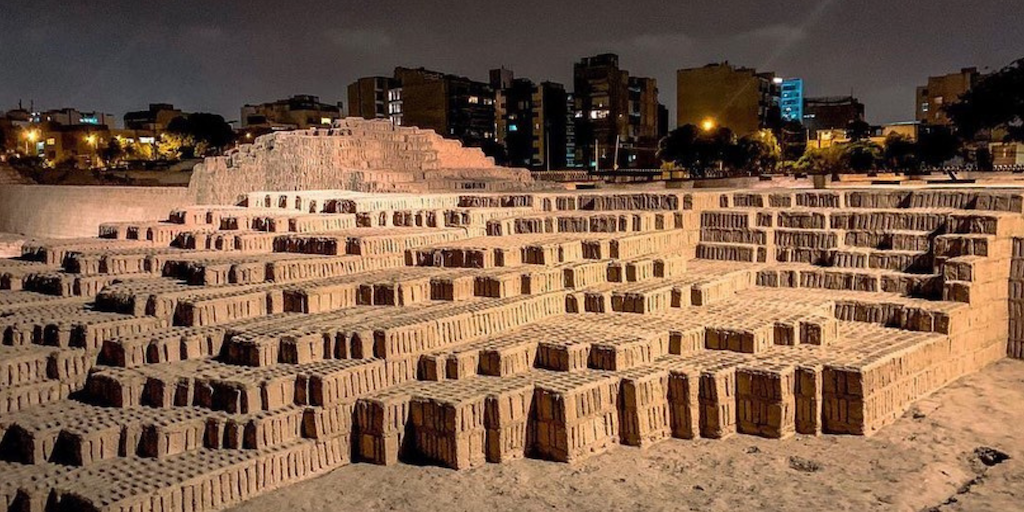 So, you're gearing up for an adventure in Lima, Peru? You've picked an absolute gem. Here we’ll cover insider tips on navigating Lima like a local. From cultural hotspots to historical landmarks and the best spots for indulging in authentic Peruvian cuisine, let's dive into the heart of this vibrant city. Lima Travel Tips: Local InsightsLima might seem sprawling at first, but fear not, there are just a few keys to navigating the transportation, neighborhoods, and must-know tips to make your journey seamless. Getting Around Lima: The Ins and OutsLima's public transportation is a mixed bag of buses, micros, and the Metropolitano - our local express - but for a more comfortable ride, consider taxis. While you’ll see them everywhere, always opt for reputable companies or ride-sharing apps to avoid surprises. The main apps are Cabify, Uber, or Beat. Neighborhood Strolls: Where Locals Hang OutBarranco is the bohemian heart of Lima, bursting with street art, cozy cafes, and a lively arts scene. Miraflores, on the other hand, is known for its upscale vibes, stunning parks, and a cliffside boardwalk offering panoramic ocean views. 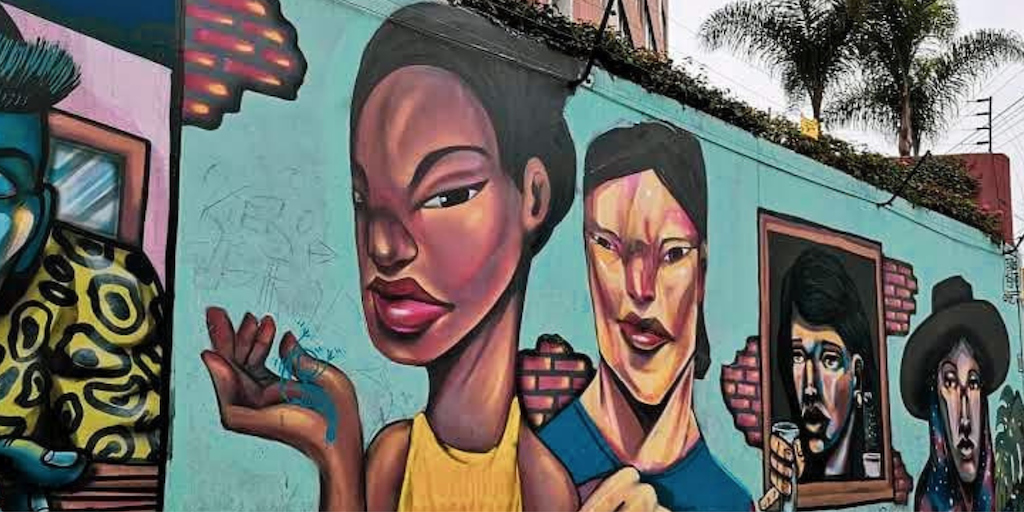
|
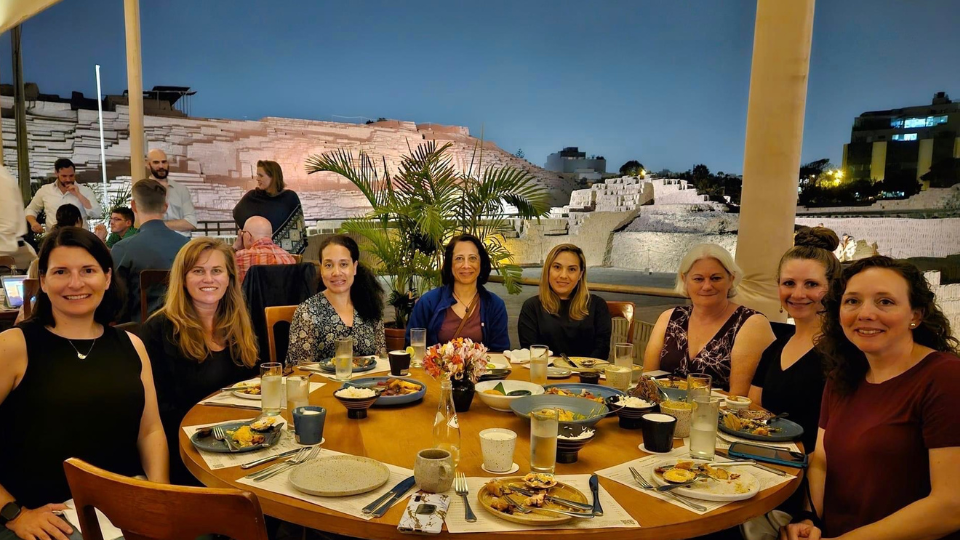
Sometimes the best way to get to know a city is just by taking a relaxing stroll, catering to your inner flâneur as you saunter along the coast, watching the passersby, and taking in the relaxed west coast vibe. One of the most visually stimulating stretches of Malecón is walking from Miraflores to Barranco until you reach the Bridge of Sighs. You'll find beautifully landscaped parks, a lighthouse, rollerbladers and cyclists, little juice bars and kiosks, paragliders, and of course, the captivating views of Lima's coastline.
With those three activities, you're set. You've got culture, cuisine, and charm, and you will have seen the best of Lima!
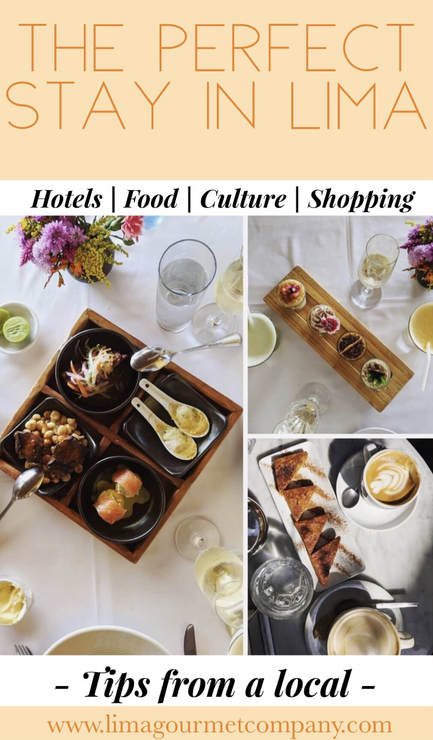
Where do you begin planning your trip to Lima, let alone Peru? Nowadays, a wealth of information is available like never before, and even the most savvy of travelers can get bogged down by the plurality of voices sharing their experiences. The ideal scenario would be to have a local friend to call on for insider insights, someone whose taste and characterization of a place you could unthinkingly trust. What is the next best thing? The perspective of an expat who understands a destination’s culture, history, and nuances while bridging the divide through their own cultural lens. In that sense, you would get the best of both worlds, essentially a shortcut to the “meat and potatoes” of a destination through a curated itinerary that would allow you to get the most out of your Peru trip. Today is your lucky day because that is just what I’m offering you – a way to hack your travel planning to Lima. I’m a Kansas City native who has spent the last 20 years as an expat, eleven of which have been spent in Peru alongside my Lima-born husband, Lucas, helping visitors discover the best of the country. So, here are my two cents on how to hack Lima and have an unforgettable stay in the City of Kings.
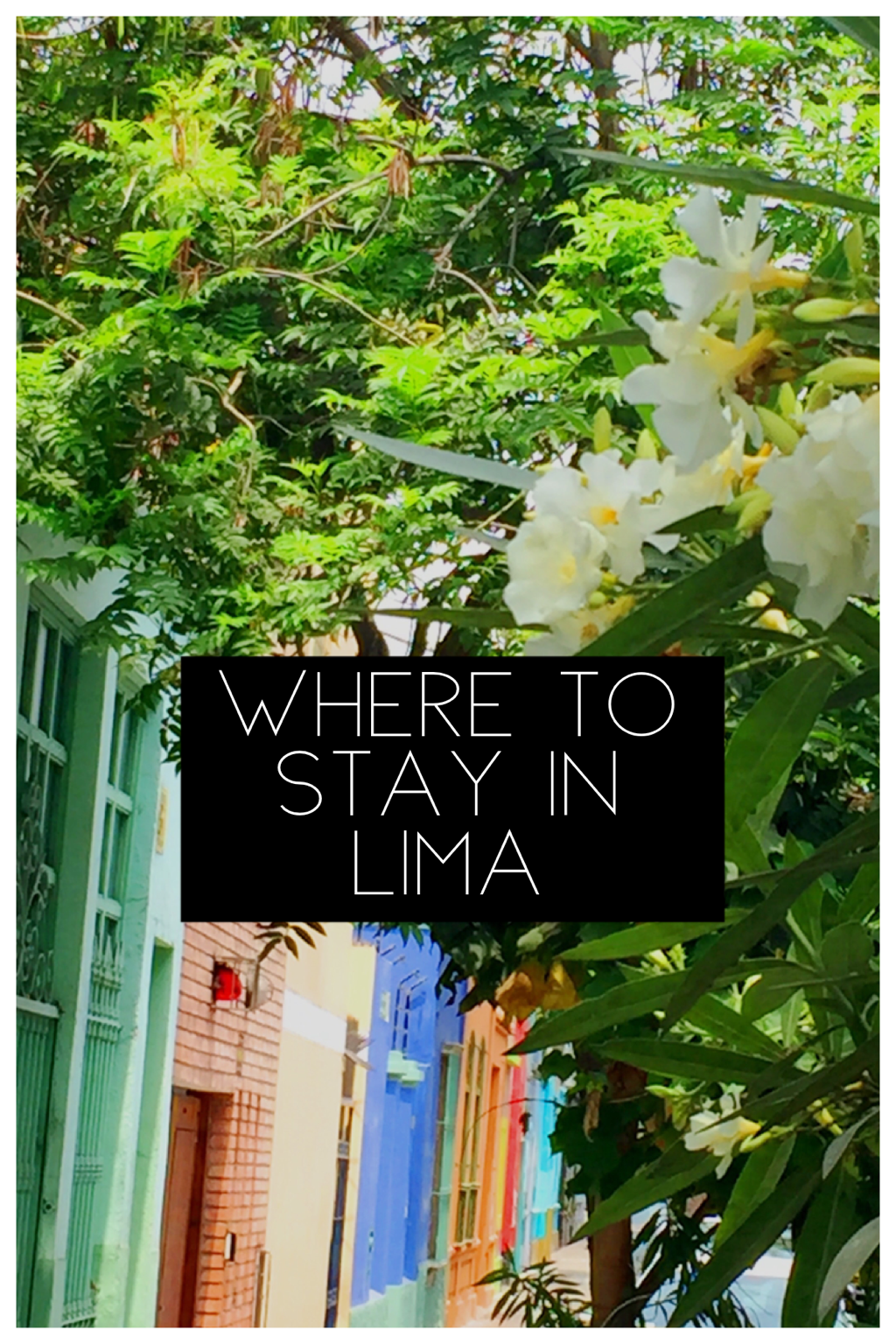
Where to stay in Lima
Lima has 43 districts, or neighborhoods, meaning you’ll have to narrow your visit down to three or four to maximize your wandering. Miraflores, Barranco, San Isidro, and Lima’s historic center will encompass most activities on your itinerary. You may hit a few outliers along the way, but for the most part, you’ll be in and out just to see a main attraction or two. The best areas to book your hotel would be, without hesitation, Miraflores or Barranco.
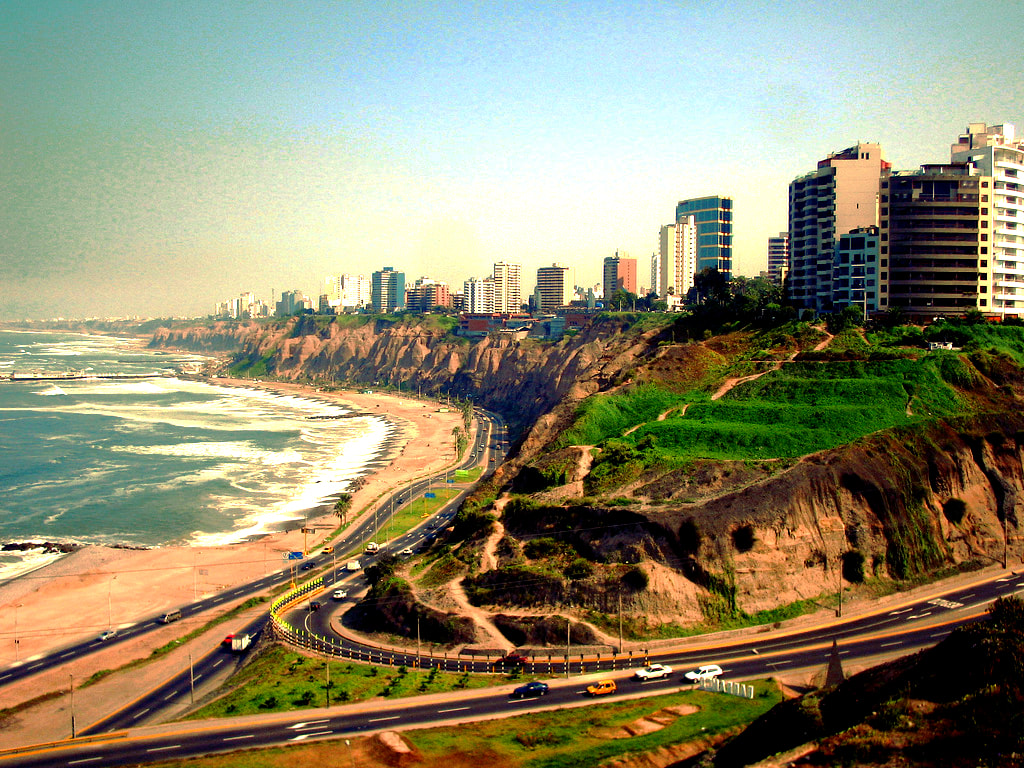
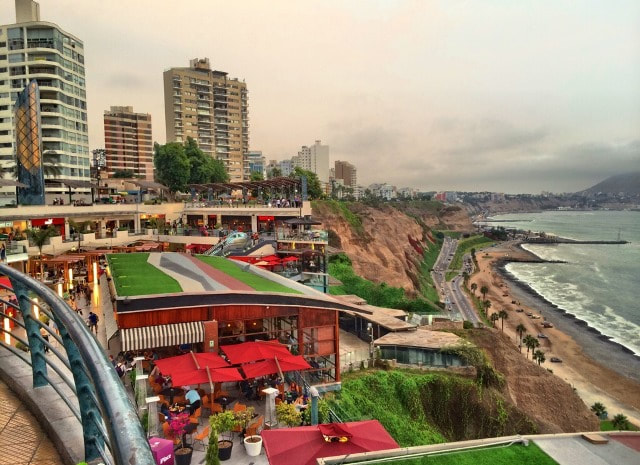
Miraflores offers a modern view of the city with many shops, upscale restaurants, street food, and many international chains (sometimes a comfort, but I know you did not come all the way to Peru just to hit up Starbucks). Miraflores is a safe neighborhood where you can walk around and get a feel for how the city has developed over the last 60 years. There are beautifully landscaped parks, the coastal promenade, or malecón as it’s known locally, bike lanes and rentals, paragliding, and more. You’ll find international hotel chains like the Marriott (JW, AC, and Courtyard) and Hilton (Garden Inn, Doubletree, and Lima), but getting carried away by the charm of a boutique hotel or quaint B&B adds another layer to your Peru experience. Here are some lovely options that are well-located and are a big hit: Manor House, La Quinta Miraflores Boutique, and Hotel Atemporal.
Miraflores offers a modern view of the city with many shops, upscale restaurants, street food, and many international chains (sometimes a comfort, but I know you did not come all the way to Peru just to hit up Starbucks). Miraflores is a safe neighborhood where you can walk around and get a feel for how the city has developed over the last 60 years. There are beautifully landscaped parks, the coastal promenade, or malecón as it’s known locally, bike lanes and rentals, paragliding, and more. You’ll find international hotel chains like the Marriott (JW, AC, and Courtyard) and Hilton (Garden Inn, Doubletree, and Lima), but getting carried away by the charm of a boutique hotel or quaint B&B adds another layer to your Peru experience. Here are some lovely options that are well-located and are a big hit: Manor House, La Quinta Miraflores Boutique, and Hotel Atemporal.
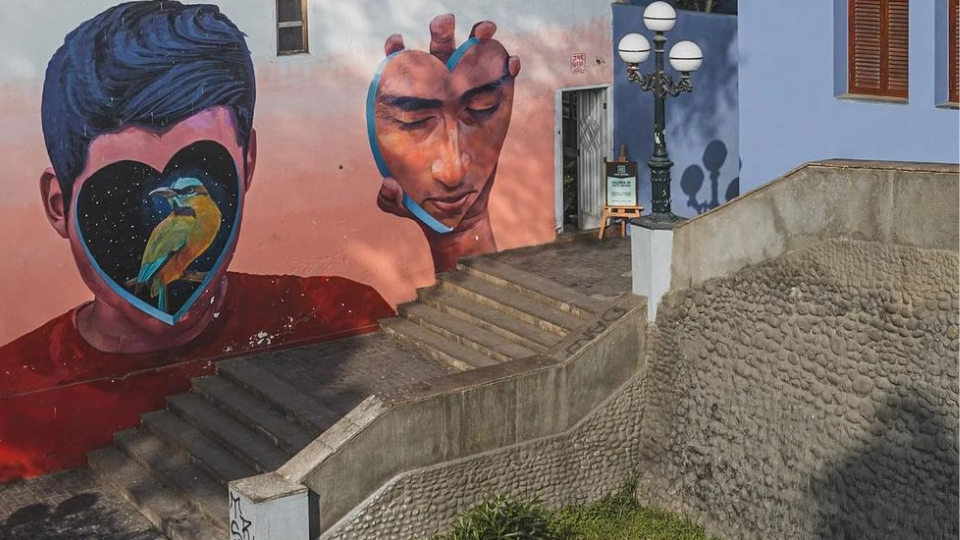
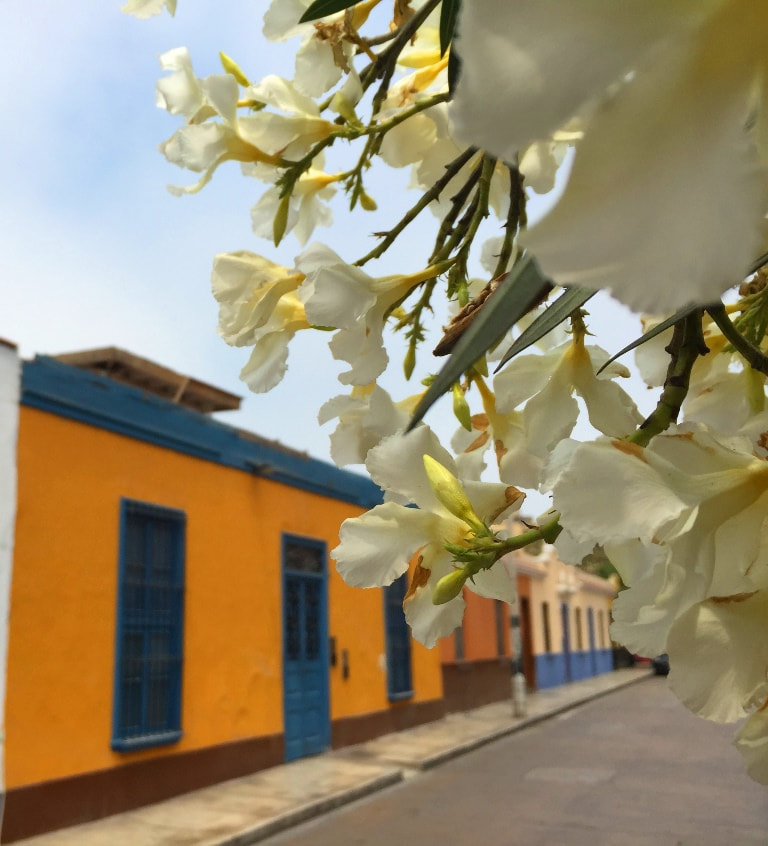
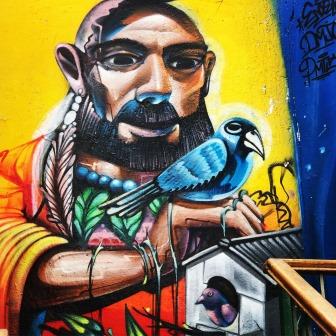
Barranco is the bohemian, romantic and even slightly hipster side of the city. Here you’ll find gorgeous traditional mansions that have been restored and invite you travel back in time. The colors of the neighborhood pop as you walk through the narrow, tree-lined streets and appreciate the eclectic architecture, eye-catching street murals and boutique art galleries that are peppered throughout the area. The laid-back vibe and mix of traditional styles infused with a modern twist make this district truly unique and unforgettable. Barranco boasts some amazing boutique hotels that allow guests to be fully immersed in the district’s hallmark style. Try Casa Republica or Villa Barranco for an extra special stay in Lima.
What to eat in Lima
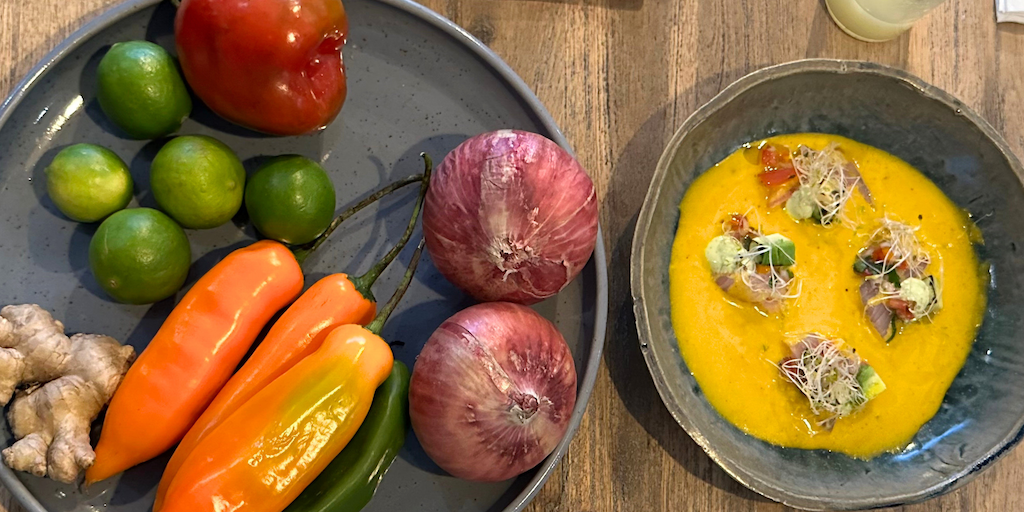
If you haven’t tried Peruvian cuisine before now, there is no better place than Lima. And even if you have, be prepared to be blown away by the freshness of the ingredients, variety of flavors, and seemingly boundless fusions. This is undoubtedly the most extensive section of tips; we run Lima food tours, so we believe this is one of the best ways to get to know Peru. With limited time in the city, you’ll still be able to understand why Lima has been declared the Leading Culinary Destination in the World eight times by the World Travel Awards. By now, most people have heard of cebiche and the pisco sour, Peru’s flagship dish and drink, even if you haven’t tried it, however, the country’s rich foodie history has so much more to offer. Let’s take a look:
Top restaurants in Lima
Every year San Pellegrino and associates publish a ranking of the world’s 50 best restaurants. Lima is always guaranteed to be represented among the best of the best. So what are they? Central, Maido, and Mayta. As you can imagine, these hot spots fill up months in advance, so plan ahead if you want a seat at the table (pun totally intended). If you’ve left your planning to the last minute, no worries, there are options. Just like any restaurant, the top three also get cancellations, depending on how badly you want to get in, it’s always worth a try to head directly to the restaurant to see if you can nab a table as a walk-in if they’ve received any cancellations or no-shows. We’ve found that in many cases, lady luck is on your side, and guests end up getting in without prior reservations, it just depends.
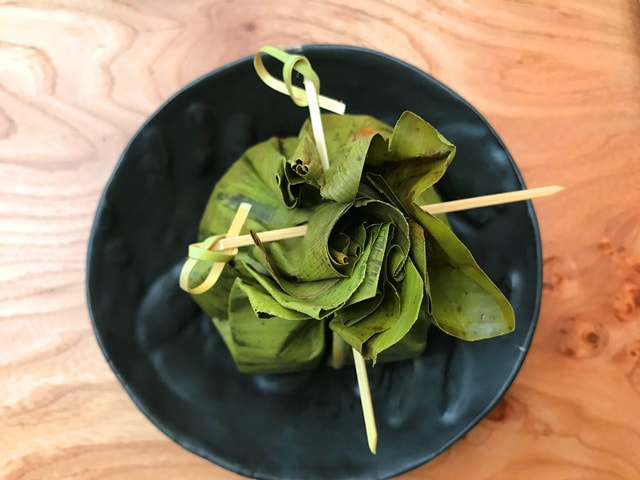
Other fine dining alternatives in Lima
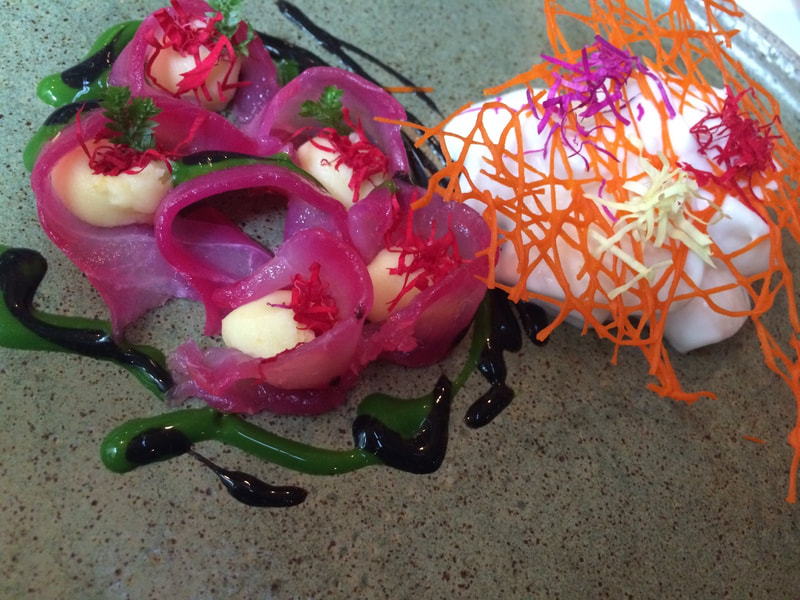
If you didn’t get the reservation at one of the coveted top three, never fear. Lima has other unique options that are just as good. For molecular gastronomy that turns the dining experience into a full-blown exhibit of artistic expression, Kjolle is the place to be. Guests also tend to book in advance, so if you’re set on Kjolle, try not to procrastinate when making your reservation.
For a fresh-faced but upscale sustainable option, Xoma is an incredible alternative. Peruvian chef Ralf Zúñiga focuses on local products and experiments with ways to give these ingredients new form and function for the palate. Out of the world’s 113 microclimates, Peru is fortunate enough to enjoy 84 of them, which are artfully displayed through the dishes.
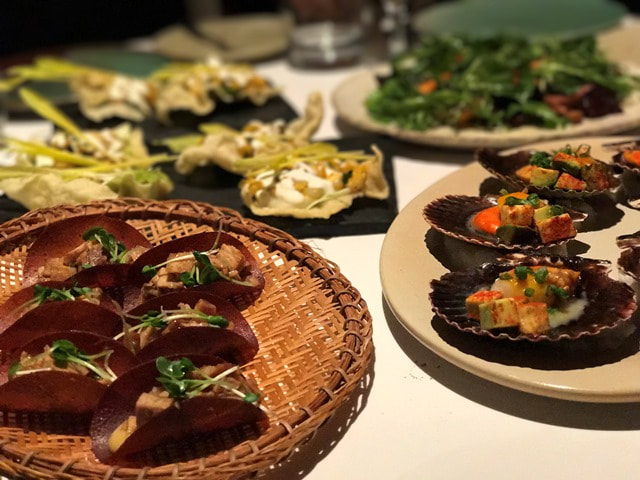
In case you need one more option to get you through the trip, Limaná is an exceptional choice. Maintaining a fairly low profile on the international scene, this corner is a chic and classic favorite among locals. The restaurant provides a cozy atmosphere with simultaneously refined and straightforward dishes that pay full homage to sustainability in sourcing, preparing, and serving our meals. Limaná is also excellent for patrons with any type of food sensitivity.
For a fresh-faced but upscale sustainable option, Xoma is an incredible alternative. Peruvian chef Ralf Zúñiga focuses on local products and experiments with ways to give these ingredients new form and function for the palate. Out of the world’s 113 microclimates, Peru is fortunate enough to enjoy 84 of them, which are artfully displayed through the dishes.
In case you need one more option to get you through the trip, Limaná is an exceptional choice. Maintaining a fairly low profile on the international scene, this corner is a chic and classic favorite among locals. The restaurant provides a cozy atmosphere with simultaneously refined and straightforward dishes that pay full homage to sustainability in sourcing, preparing, and serving our meals. Limaná is also excellent for patrons with any type of food sensitivity.
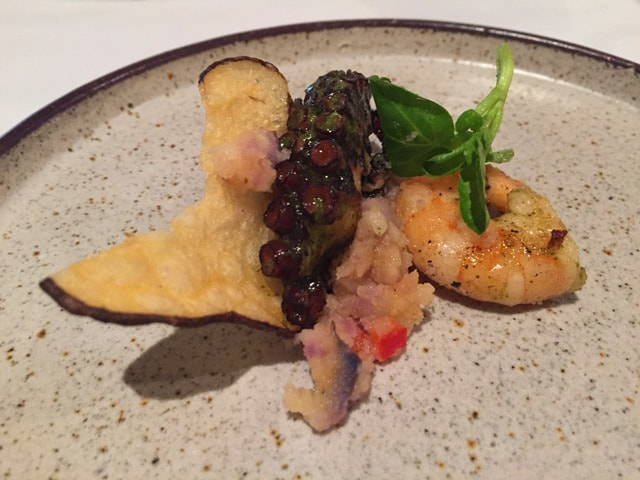
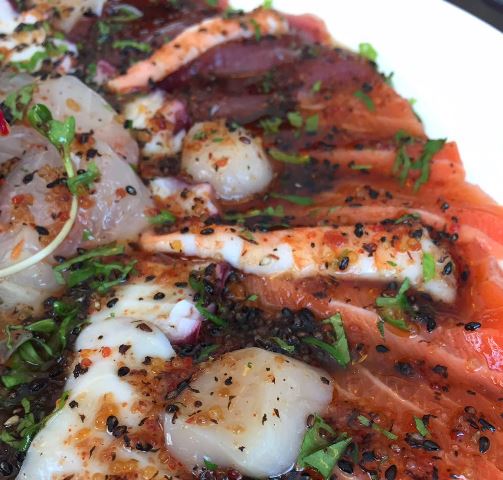
What's all the fuss about Peruvian fusions
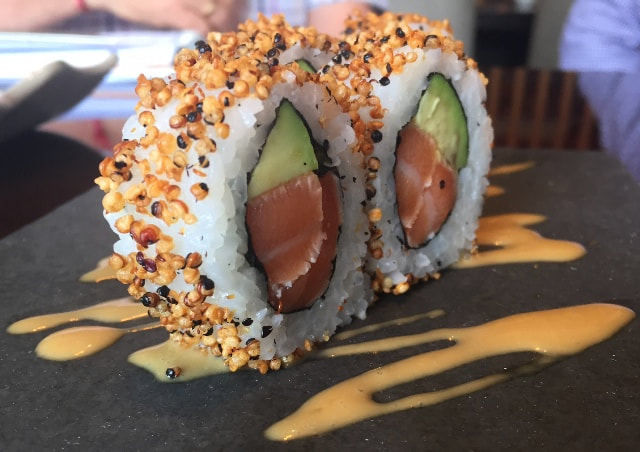
Like many countries worldwide, over the past few hundred years, Peru has welcomed waves of migrants from all over. Along with the new residents came their cultures, traditions, styles, and of course, cuisine. In many countries, these influences were welcomed but remained separate from the local trends or had only a light impact. However, Peruvians embraced cooking techniques, recipes, and ingredients from abroad, “digested” their essence, and then fused them with traditional dishes to create new and unique delicacies over the years. Today's primary fusions are Japanese-Peruvian: Nikkei, Chinese-Peruvian: Chifa, African-Peruvian: Creole, and of course, the European influence from mainly Spain, Italy, and France. Here you can see a video diving into Peruvian cuisine and its flavorful legacy.
Here are some of our favorite spots to try these famous fusions. For Nikkei, Osaka, Hanzo, or Ache are fantastic options. For Chifa, Shi-nua or Chifa Royal will leave you wanting more. For Creole cuisine, Isolina, la Huaca Pucllana, or José Antonio all do the genre justice.
We’re just getting started on the food, but we’ll leave the rest for another post. In the meantime, you can check out more of our favorite restaurants in Lima or a reduced selection of restaurants in Lima and what to order.
Things to do in Lima · Get your cultural fix
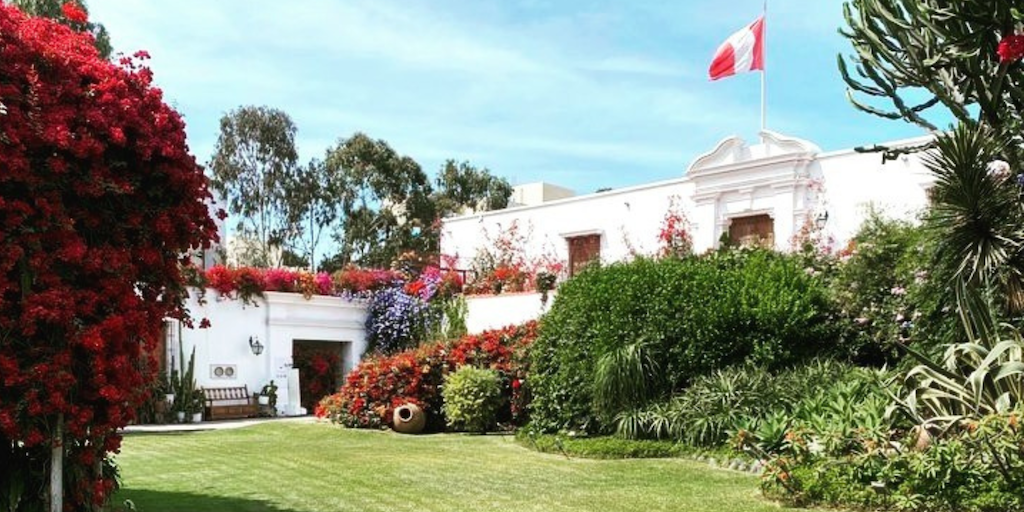
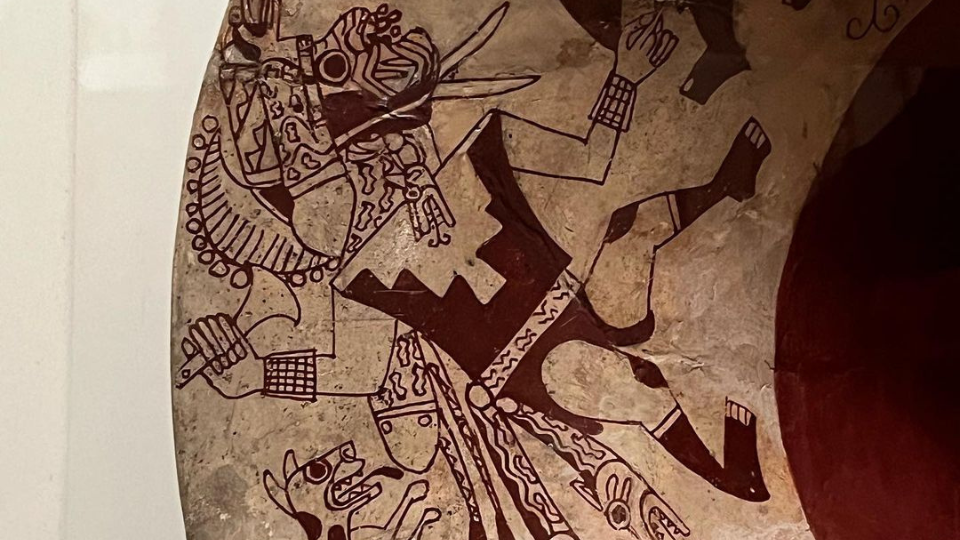
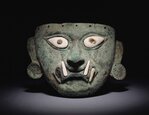
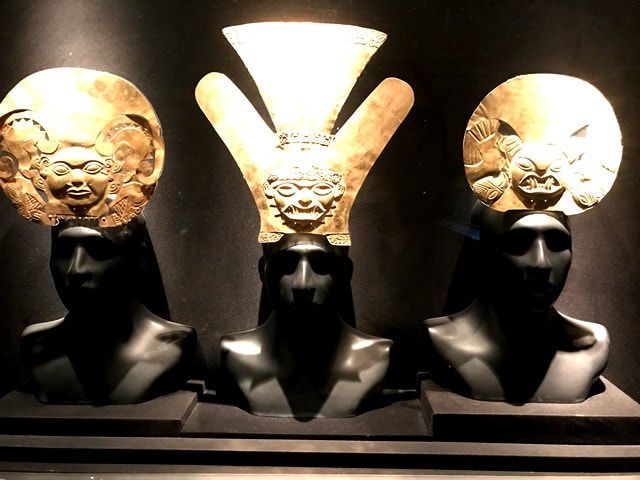
One of the best ways to grasp Peru’s vibrant and ancient culture is through a visit to the Larco Museum. It’s one of the top museums in the country, in our opinion, THE top, and houses over 40,000 artifacts that give you a glimpse into traditions, history, and economy over approximately 4,000 years. The museum is beautifully designed, and a major plus (besides the enlightening erotic ceramics exhibit) is the stunning outdoor café which serves an excellent variety of Peruvian dishes that are expertly executed.
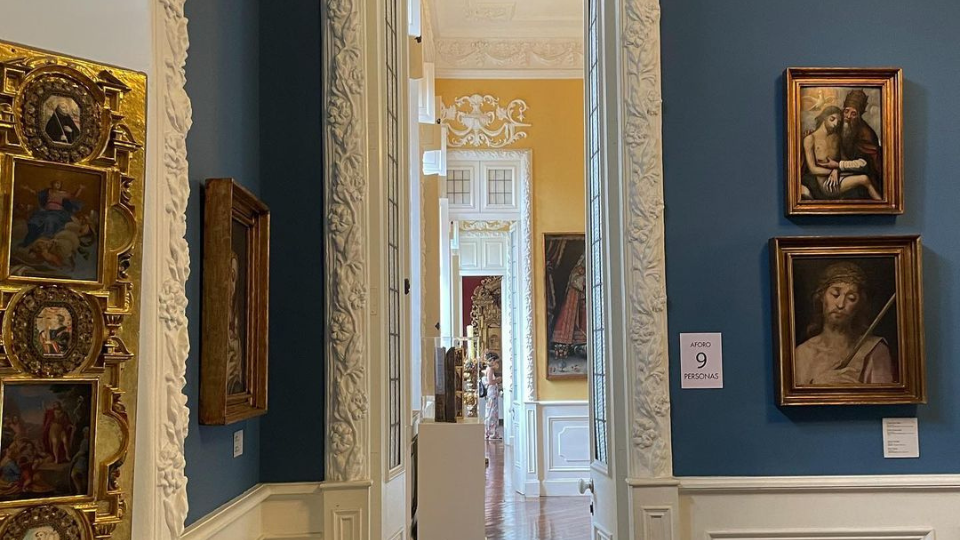
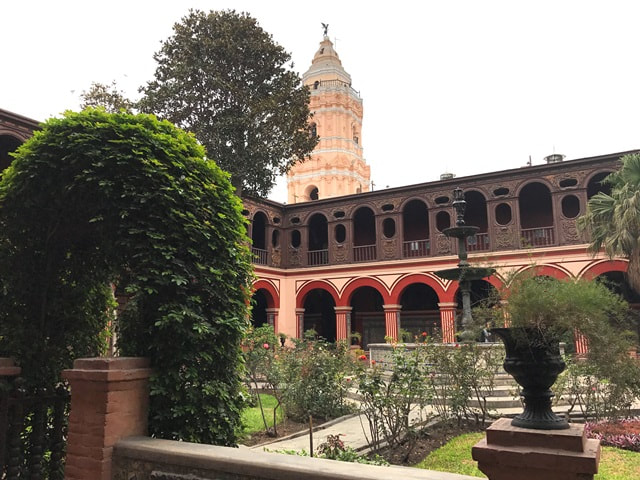
The historic center of Lima is also a spot you’ll want to check out if you’re looking to get a feel for what life was like while Peru was under the Spanish empire. The urban planning of this area was designed by conquistador Francisco Pizarro and the buildings reflect various architectural styles that will keep your eyes toward the sky. In the center, you’ll find no shortage of places to visit, just to name a few: Lima’s Cathedral, San Francisco Monastery, Santo Domingo Monastery, the Inquisition Museum, Plaza de Armas, and Plaza San Martín.
If you want to do it all in one day so that you get to see a bit of everything at a leisurely pace, a city tour is a great way to cover the highlights. We’ve done the research for you, check out the itinerary here: Lima city tour.
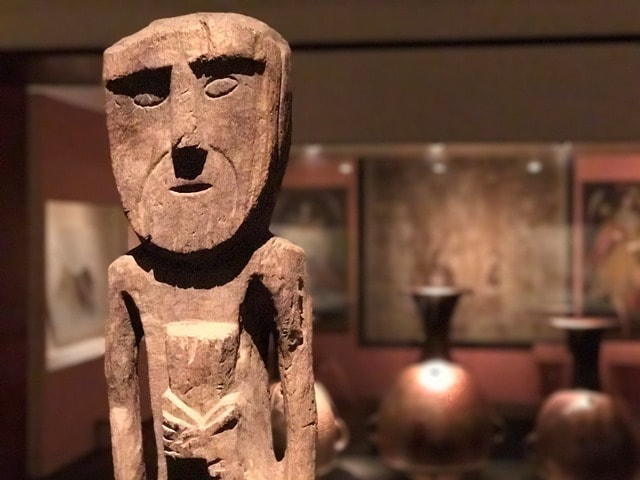
Shopping in Lima
When you’re out shopping on vacation, especially in a foreign country, it’s understandable that you would want to hone in on the products that are crafted with care, that are unique to the destination, and that will bring back unforgettable memories when you get home. If it’s not for you but a gift you’re planning to bring back, then it’s even more imperative that it be something more than a token keepsake and a present representative of where you’ve just been. There are many options in Peru, so we’ll try to point you in the right direction depending on what you’re out to get. The best souvenirs from Peru are baby alpaca, silver, organic Peruvian coffee, chocolate, pisco, and unique chili pepper mixes. For a curated offer of high-end products by highly lauded Peruvian craftsmen and women, Dédalo and Puna are excellent options. If you want to peruse among endless possibilities, perhaps try the Inca Market in Miraflores. If you are specifically looking for baby alpaca, Kuna and Sol Alpaca would work; for jewelry, try Lorena Pestana or Sissai, and for all food items, you can explore a local supermarket like Tottus or Vivanda.
Want to do it all, but where to begin?
We’ve thought of that, too! For the last seven years we’ve been positioned as the number one tour in Lima because our routes explore different neighborhoods of Lima, the cultural, historic and socio-economic context of the country you’re visiting and of course – delicious, carefully selected tasting menus so you can have your cake and eat it, too. Check out our city and food tours of Lima for the perfect intro to Peru.
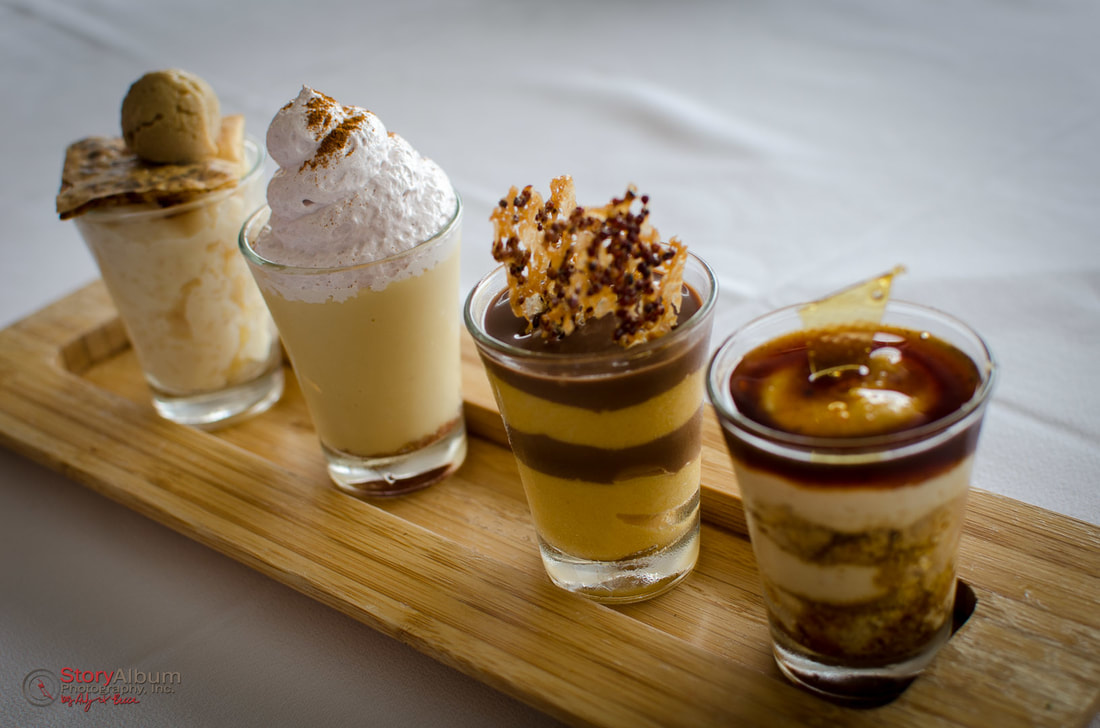
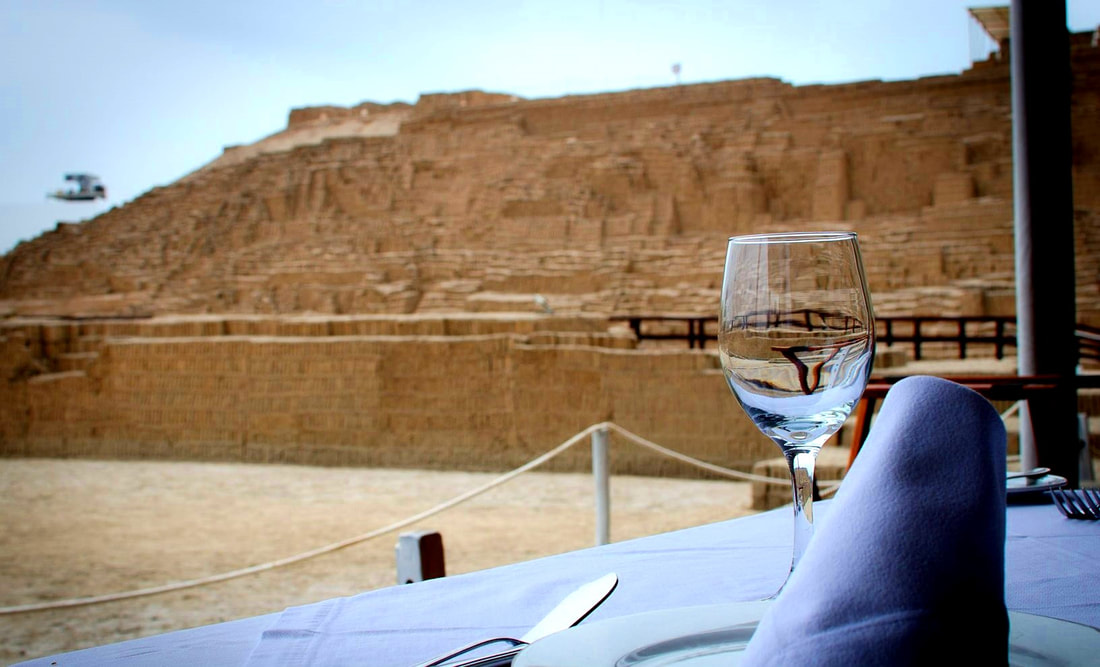
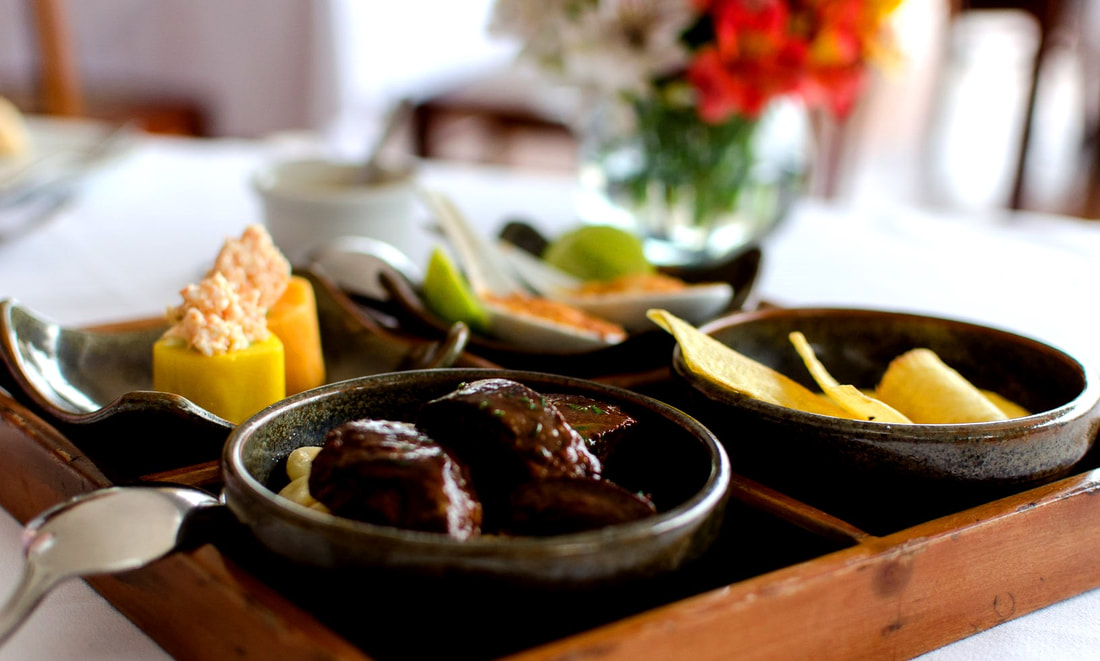
¡Bon appetit y buen viaje!
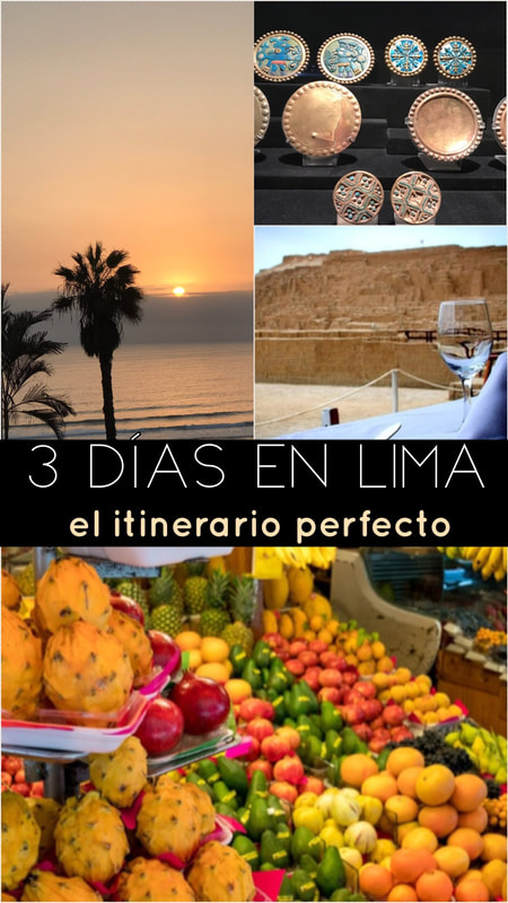
Un fin de semana en Lima te da el tiempo perfecto para descubrir y recorrer la mejor de la ciudad. Entre lo cultural, gastronómico y en términos de paisajes, es un destino donde lo tienes todo. La capital peruana es una metrópolis versátil que se encuentra encima de unos acantilados con vistas increíbles del Océano Pacífico y los primeros cerros de los Andes. A veces hasta parece como si tuvieras demasiadas opciones y allí es donde necesitas un par de pistas de un íntimo amigo local para encaminarte hacia un viaje verdaderamente increíble. Les dejamos un itinerario que incluye los mejores atractivos de la ciudad que se pueden disfrutar a un ritmo relajado pero que a la vez saca provecho del poco tiempo disponible para enamorarse de su encanto.
DÍA 1 - LA LLEGADA
Suponiendo que hayas estado viajando durante el día y recién llegas a la hora de check-in un viernes por la tarde, lo primero que querrás hacer es dejar las maletas y salir a dar una caminata por el barrio del hotel para familiarizarte con la zona. La mayoría de hoteles se encuentran en los distritos de Miraflores, San Isidro y Barranco y por lo tanto una vuelta por esos distritos limeños de renombre te sirve como la mejor introducción. Después volvemos rumbo al hotel para refrescarnos y salir a cenar.
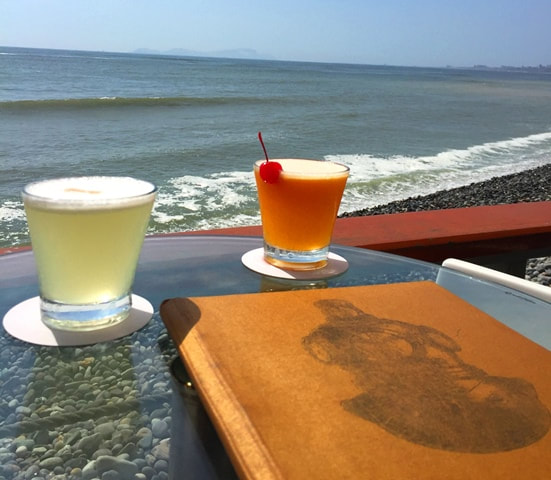
Restaurante Cala - Lima, Perú
El restaurante Cala en la costa verde es una excelente opción para recibir el atardecer junto al mar en la terraza del segundo piso. Su especialidad es la comida marina (¿cómo no con las vistas y ubicación que tiene?) con platos elaborados para destacar un estilo delicado y fresco pero con sabores robustos. Después de quedarte totalmente satisfecho con la exquisita comida costeña, un bajativo y un poco de música están en orden. Para eso recomendamos que pases al primero piso del restaurante, al lounge donde tienen una zona interior que te lleva a una bella terraza donde puedes explorar el mundo pisquero con un coctel que no solo resalta las propiedades del licor, sino también la variedad de fruta que tan bien acompañan al trago.
DÍA 2 - AVENTURA CULTURAL Y CULINARIA
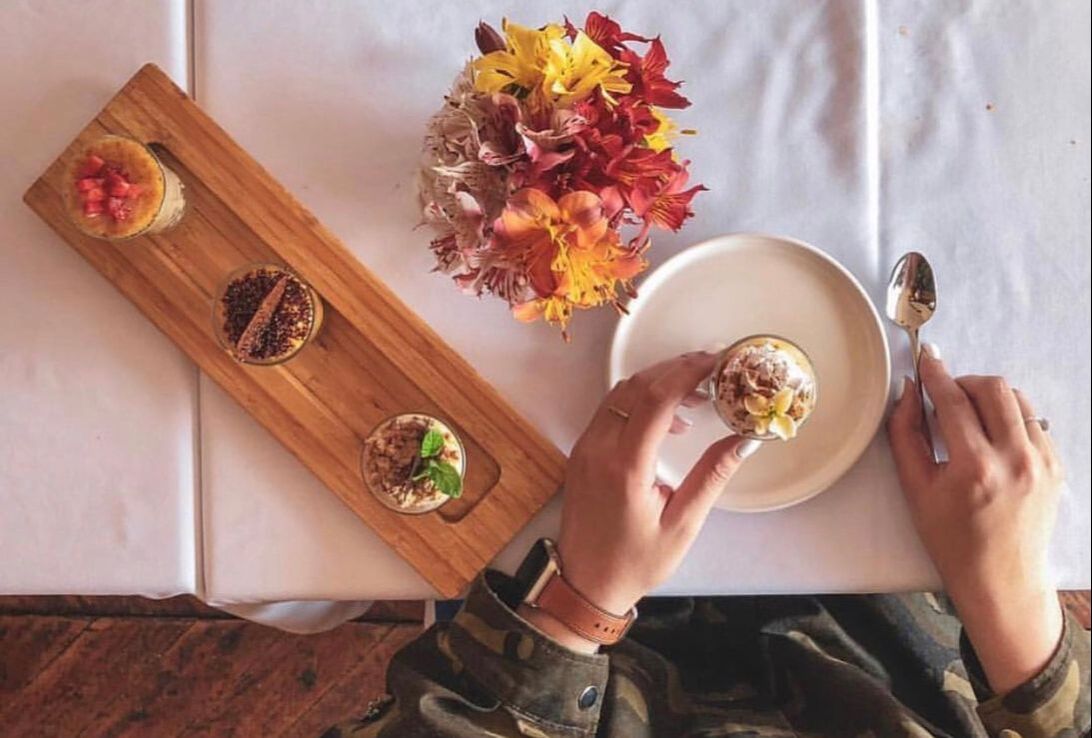
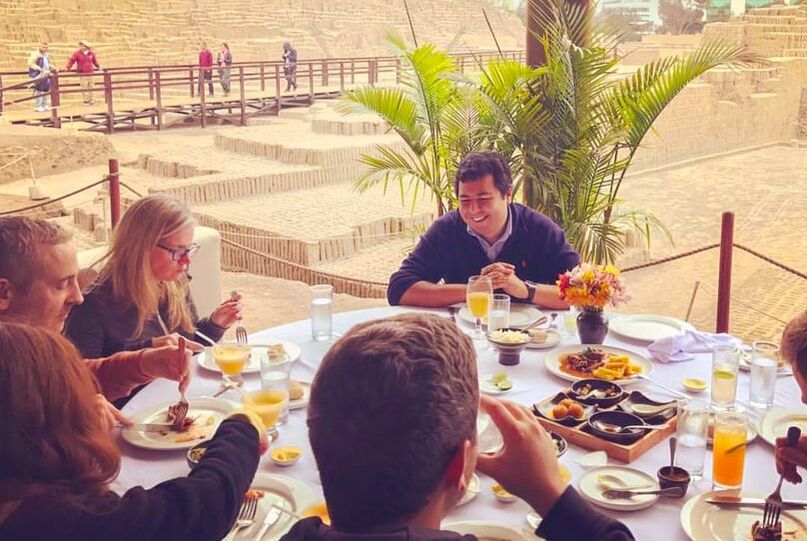
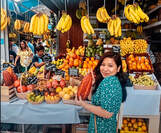
Si estás considerando viajar a Perú, seguramente ya sabes que Lima es una meca gastronómica que atrae a miles de peregrinos culinarios al año para deleitar de su variado repertorio en la cocina. Tanto así que el país ha ganado el título de Mejor destino culinario en los World Travel Awards en ocho ocasiones. Ya te hemos convencido, ¿pero ahora cómo elegir entre tantas opciones, opiniones y recomendaciones de amigos? Te presentamos la solución perfecta - un tour gastronómico de la ciudad. La idea es que en cinco horas llegas a tener una introducción comprensiva a la ciudad que incluye varios distritos, un café orgánico peruano donde tuestan los granos a diario, una vista a un mercado local con su degustación de frutas, una clase participativa de cebiche y pisco sour, y un almuerzo de varios platos y postres peruanos junto a una ruinas impresionantes preincaicas. Entre toda la comida, los restaurantes, los mercados y las callecitas por explorar, también se cubren temas culturales y socio-económicos, las fusiones multiculturales y también las partes destacadas de la historia que han creado la ciudad que hoy conocemos. Nosotros ofrecemos dos rutas que han tenido tanto éxito que nos ha mantenido en el primer puesto entre tours en Lima.
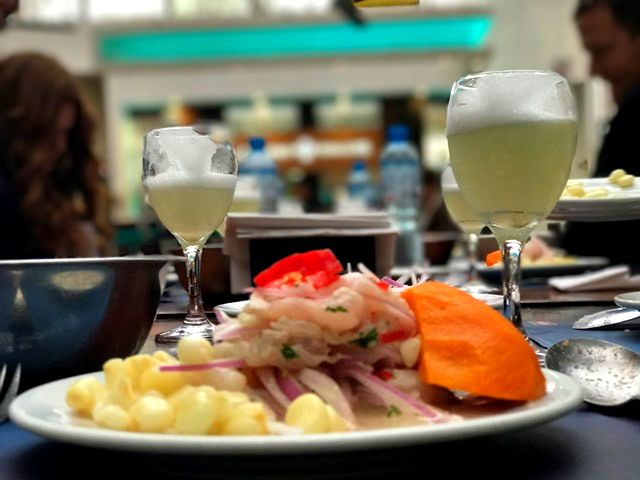
Tour gastronómico de Lima - clase de cebiche y pisco sour - Lima Gourmet Co.
Para bajar la comida y darte una oportunidad de ver otro lado de la ciudad, podrías dirigirte al centro histórico de Lima, o el damero de Pizarro. Tomas un taxi hasta la Plaza de Armas donde podrás conocer el palacio presidencial, la catedral de Lima y a un par de cuadras, el Monasterio de San Francisco con sus catacumbas. Ojo - la mayoría de museos/iglesias solo ofrecen entradas hasta las 5:00 PM y por lo tanto querrás estar atento a la hora. En la misma zona, también se encuentra la Plaza San Martín y luce un estilo arquitectónico que te llevará a otra época.
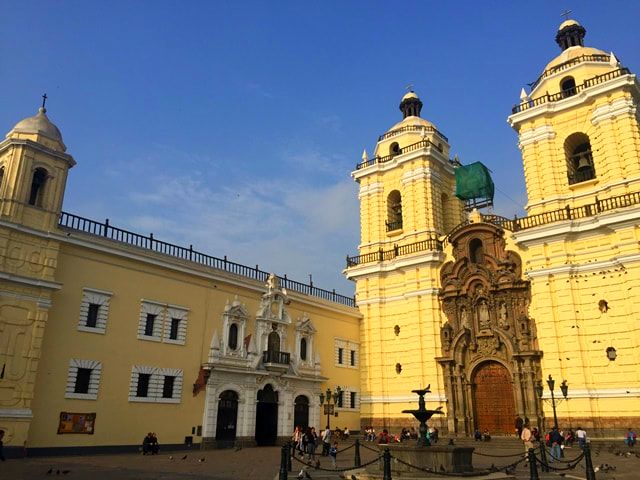
Monasterio San Francisco - Lima, Perú
Después del recorrido histórico y la inmersión cultural, ya estarás empezando a recuperar el apetito. Los tours gastronómicos suelen dejar a algunos visitantes con un poco menos espacio en la barriga de lo normal así que una cena donde hay opciones para porciones ligeras es lo más recomendable. Osaka en la avenida Pardo y Aliaga en San Isidro es el lugar ideal que ofrece una fusión peruana-japonesa, o nikkei, que cuenta con mucho más que solo sushi. El diseño interior, el servicio y la comida son impecables. Reserva antes de ir para asegurarte de tener una mesa.
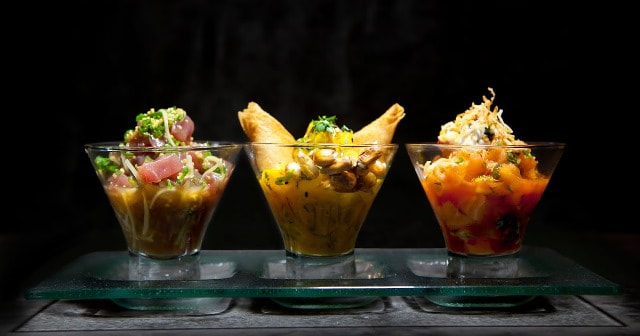
Restaurante Osaka - San Isidro, Lima, Perú
DÍA 3 - AVENTURA CULTURAL Y CULINARIA
Al ser el último día del viaje, hay quienes preferirían tomar la mañana tranquila para desayunar en el hotel o para salir de compras, quizá souvenirs. Para los que quieren aprovechar la mañana con un útimo tirón cultural, el Museo Larco es infaltable, fácilmente unos de los mejores museos del país entero. La colección privada recopila y exhibe artefactos que cubren más de cuatro mil años de historia en el territorio peruano - joyas, máscaras, cerámica, incluso en sala única - un cuarto de cerámica erótica. Hasta el depósito está abierto al público donde podrás admirar unas 40,000 piezas adicionales que no se encuentran en la exhibición principal.
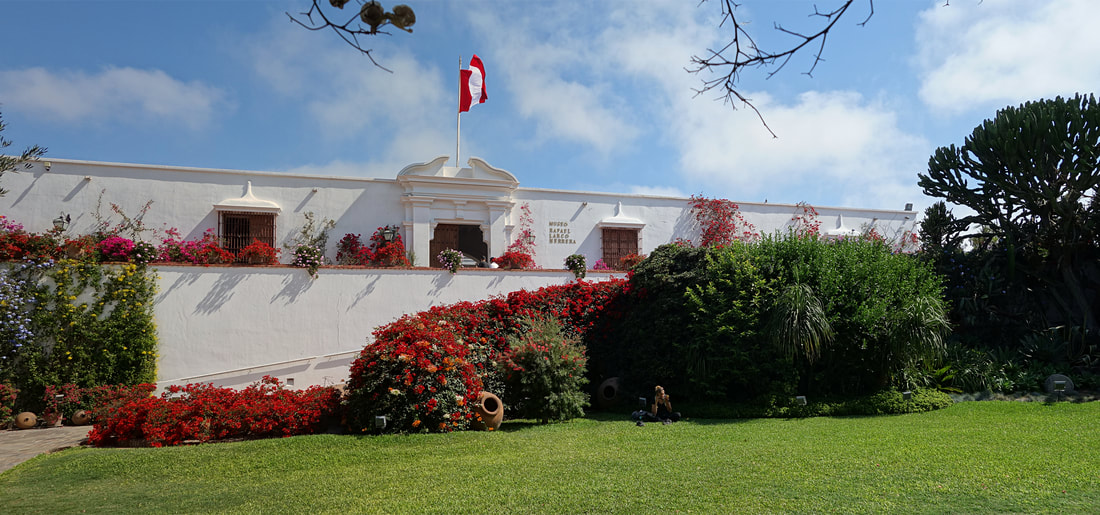
Museo Larco - Lima, Perú
Para cerrar la aventura culinaria con broche de oro, llega antes de la 1 PM para almorzar en Isolina de Barranco. Es una maravilla que se encuentra en los top 50 restaurantes de América Latina y su especialidad es la comida auténtica peruana con un toque casero que trae una tremenda calidez a la experiencia. Es una taberna moderna de moda y el seco y el lomo saltado están impresionantes. La porciones son generosas y en realidad para compartir.
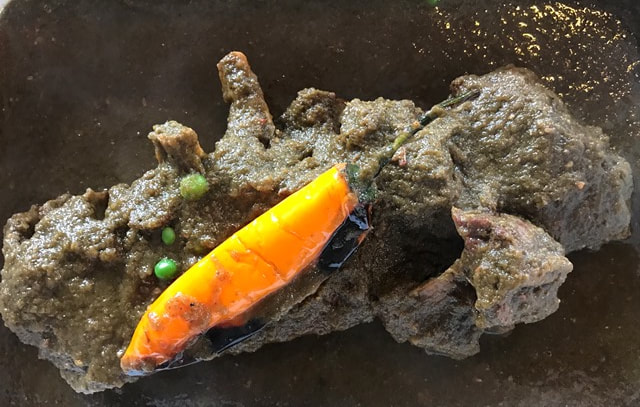
El seco del restaurante Isolina - Lima, Perú
En el mismo distrito de Barranco, encontrarás el taller del artista Jade Rivera. Sus cuadros son únicos e impactantes. Es una experiencia que te conecta con la esencia bohemia del barrio.

Jade Rivera
El fin del viaje ya es inminente y no hay mejor forma de digerir todo lo que has vivido en los últimos días que con una tradición bien limeña (sobre todos los domingos), darse una caminata por el malecón. Desde Barranco, puedes seguir el malecón hasta llegar a Miraflores y posiblemente hasta el mismo hotel, donde llegarás a preparar la maleta y salir hacia el aeropuerto para volver a tu casa y presumir con tus familiares y amigos sobre tu experiencia en Perú.
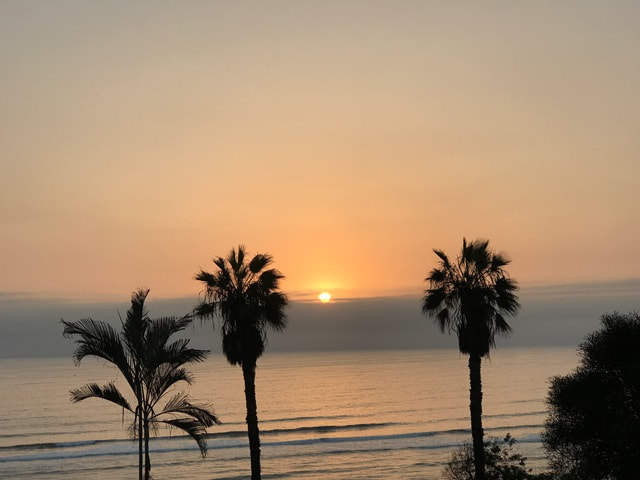
Malecón de Barranco - Lima, Perú
¡Buen viaje!
Datos de interés
Restaurants in Lima add up to tens of thousands of options for dining out in the city with an even larger variety of dishes that are representative of Peruvian traditions, culture and fusions. If you do your research, you can surely narrow the offer down to a few must-visit spots to include in your itinerary. The real doozy, however, is what to order once you square away the reservation and make your way to the restaurant. If you are unfamiliar with Peruvian cuisine, even though you may speak some Spanish, selecting the perfect dishes can be a daunting task. As operators of the highest-ranked food tours in Lima for over a decade, you can imagine that our R&D outings include frequent visits to a number of restaurants, trying a variety of dishes so that we can bring you the best recommendations. We would like to shed some light on the results of all that tough work by sharing our favorite dishes in Lima and where to find them.
El Mercado
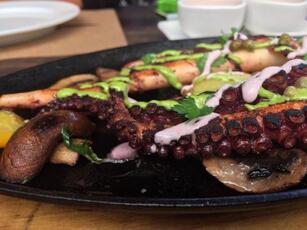 Grilled octopus from El Mercado
 This is likely a restaurant that you’ll find on many lists and for good reason. The laid-back ambience and cozy, fresh style of the place will lure you in, but the food and drinks will keep you there. If you are a seafood lover, you simply cannot go wrong booking a table here.
What to order: Pulpo a la parrilla (grilled octopus) – The octopus is marinated in a secret concoction and then cooked to perfection on the grill, served smoking hot and accompanied by grilled cherry tomatoes, potatoes and mushrooms. Amazing. An added bonus for the chefs among you, if you sit bar-side, you can watch the guys work their magic and see how it’s done.
What to order: Pulpo a la parrilla (grilled octopus) – The octopus is marinated in a secret concoction and then cooked to perfection on the grill, served smoking hot and accompanied by grilled cherry tomatoes, potatoes and mushrooms. Amazing. An added bonus for the chefs among you, if you sit bar-side, you can watch the guys work their magic and see how it’s done.
Limaná
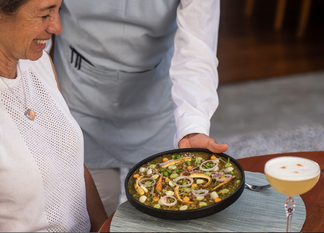 Arroz norteño from Limaná
 Limaná is one of Lima's more unique restaurants in that it is dedicated to Peruvian superfoods. What’s more is that the restaurant is fully committed to sustainable consumption, so you know you’re participating in a dining experience that has been fully thought through.
What to order: The arroz norteño (a traditional rice dish from the North of Peru) – Each ingredient has been selected and sourced with the utmost care to accomplish a variety of feats. The dish boasts a balance of diverse flavors, while preserving its nutritional value given the fusion of culinary techniques and care that brings the dish to life. Every garden-grown element of this dish speaks volumes of the quality of Peru's fresh produce.
What to order: The arroz norteño (a traditional rice dish from the North of Peru) – Each ingredient has been selected and sourced with the utmost care to accomplish a variety of feats. The dish boasts a balance of diverse flavors, while preserving its nutritional value given the fusion of culinary techniques and care that brings the dish to life. Every garden-grown element of this dish speaks volumes of the quality of Peru's fresh produce.
Xoma
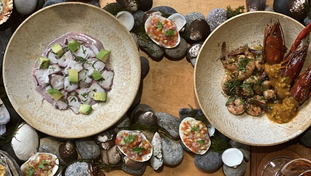 Tasting experience at Xoma
 One of Lima’s most successful newcomers, Xoma, offers a variety of dishes that bring creativity and playfulness to life. All of the dishes are presented beautifully, as works of art and labors of love with tasting menus that allow you to travel the whole of Peru through your tastebuds without leaving the capital.
What to order: We are big fans of the beautifully crafted, seasonal tasting menus. You've come to Xoma for the experience, so surrender yourself to the creative expression that is its culinary masterpiece. If you want to take things up a notch, try their blindfolded experience. Your senses will be hyperengaged by more than just the flavors as the aromas and textures shine in the darkness.
What to order: We are big fans of the beautifully crafted, seasonal tasting menus. You've come to Xoma for the experience, so surrender yourself to the creative expression that is its culinary masterpiece. If you want to take things up a notch, try their blindfolded experience. Your senses will be hyperengaged by more than just the flavors as the aromas and textures shine in the darkness.
Isolina
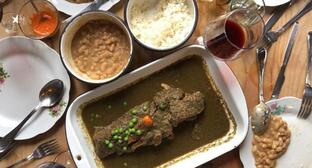 Cilantro beef stew (Seco) from Isolina
 It’s no surprise that Isolina made the list. Ever since the place opened, it’s had lines outside that can wrap around the corner and it made its way on to the list of best restaurants in Latin America. The concept is an old-school tavern that features classic Peruvian dishes that give the feel of home-cooking. This Peruvian soul food induces nostalgia for the locals and provides an insider experience for visitors.
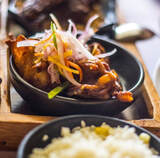
What to order: Seco (Cilantro beef stew) – If you are a cilantro-lover, this dish would be your favorite. While you can find this Peruvian classic on many menus throughout Lima, the preparation of seco at Isolina is impeccable. The beef is so tender that it slides right off the bone allowing you to bathe the meat in the rich, aromatic cilantro stew. It’s just one of those dishes that after eating it, you'll already be contemplating when to organize your next visit for round two.
What to order: Seco (Cilantro beef stew) – If you are a cilantro-lover, this dish would be your favorite. While you can find this Peruvian classic on many menus throughout Lima, the preparation of seco at Isolina is impeccable. The beef is so tender that it slides right off the bone allowing you to bathe the meat in the rich, aromatic cilantro stew. It’s just one of those dishes that after eating it, you'll already be contemplating when to organize your next visit for round two.
Lima Restaurant Details
El Mercado
Av. Hipólito Unánue 203, Miraflores
Tues.-Sun. 12:30 - 5:00 PM
T: +51 974 779 517
Limaná
Av. Augusto Pérez Araníbar 2011, San Isidro
Tues.-Sat. 8:00 AM - 11:00 PM, Sun. 8 AM - 5:00 PM
T: +51 997 650 654
Xoma
Elías Aguirre 179, Miraflores
Sun. + Tue. + Weds. 12:00 PM - 3:30 PM / 7:00 PM - 10:30 PM
Thu. + Fri. + Sat. 12:00 PM - 3:30 PM / 7:00 PM - 12:00 AM
T: +51 970 653 913
Isolina
Av. San Martin 101, Barranco
Tues.-Sat. 10:00 AM - 11:00 PM
Sun.-Mon. 10:00 AM - 5:00 PM
T: +51 (1) 247 5075
Av. Hipólito Unánue 203, Miraflores
Tues.-Sun. 12:30 - 5:00 PM
T: +51 974 779 517
Limaná
Av. Augusto Pérez Araníbar 2011, San Isidro
Tues.-Sat. 8:00 AM - 11:00 PM, Sun. 8 AM - 5:00 PM
T: +51 997 650 654
Xoma
Elías Aguirre 179, Miraflores
Sun. + Tue. + Weds. 12:00 PM - 3:30 PM / 7:00 PM - 10:30 PM
Thu. + Fri. + Sat. 12:00 PM - 3:30 PM / 7:00 PM - 12:00 AM
T: +51 970 653 913
Isolina
Av. San Martin 101, Barranco
Tues.-Sat. 10:00 AM - 11:00 PM
Sun.-Mon. 10:00 AM - 5:00 PM
T: +51 (1) 247 5075
|
Where to stay in Lima is likely one of the first orders of business to sort out while planning your trip to Peru. No doubt that a city of 10 million inhabitants spread across 43 diverse districts can render a city overwhelming to navigate, even for the seasoned traveler. Having served over 10,000 clients that have had the pleasure to discover the city, we are happy to pool their insights together with our local knowledge to give you a few tips that will hopefully make this part of the planning stage less daunting. Out of the 43 districts mentioned above, we can safely narrow it down to two that beat out the other 41 contenders: Miraflores and Barranco. So let's take a look at what they have to offer: |
MIRAFLORES · LIMA, PERU
Miraflores has been the center of tourism in the city for decades. Located on a gorgeous stretch of the Pacific coast, this neighborhood has it all. It's a lively district with plenty of dining options (among the top restaurants in the world) and nice walks along the coast. Whether you want something quiet or activities in a more "happening" area, you'll find it here. Another bonus is that most of the hotels are located in areas where you can easily walk from one place to another, and nothing in Miraflores is more than a 10 minute taxi ride away. It has something for everyone: surfing, cultural tours of Lima that include visits to pre-Incan temples, paragliding, food tours, shopping, and even wifi-enabled public parks. Here's our breakdown
ATTRACTIONS IN MIRAFLORES
Outdoor Attractions in Miraflores
Emblematic Parks of Miraflores
Cultural Attractions in Miraflores
Shopping in Miraflores
- Malecón de Miraflores, or the clifftop boardwalk that runs through the district
- Surfing in Miraflores, jump right in or take surf classes in Miraflores
- Paragliding along Lima's coastline
- Rent a bike and explore Miraflores on two wheels
Emblematic Parks of Miraflores
- Kennedy Park, the central park of Miraflores
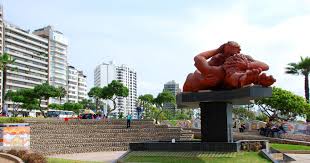
- Parque del Amor, with its mosaics and sculptures by Victor Delfin and Marcelo Wong
- Parque Maria Reiche, landscaped gardens of the Nazca Lines along the coast
- Reducto No. 2 Park, where you'll find artillery and a historic train caboose
Cultural Attractions in Miraflores
- Tour pre-Incan ruins at the Huaca Pucllana
- Visit the Amano Museum
Shopping in Miraflores
- Larcomar, a seaside mile embedded in the cliff
- Inca Market, an outdoor market with several stalls selling artisanal handcrafts
- La Paz Avenue, a street peppered with antique and silver items
RESTAURANTS IN MIRAFLORES
Miraflores has established itself as the mover and shaker of the foodie scene in Lima, until Barranco started gaining steam (which we'll cover below). Get your reservations squared away with plenty of time in advance as space is limited. However, if you prefer winging it, there is no shortage of options. Some of our favorites include:
Maido: Nikkei (Peruvian-Japanese fusion) one of the world's best restaurants many times over
Huaca Pucllana Restaurant: get the terrace seating for spectacular views of the pre-Incan site
Xoma: creative and artistic renditions of Peru's finest ingredients
El Mercado: Amazingly fresh seafood with a consistently fun and vibrant ambience
Limaná: For fans of sustainability as well as vegans and vegetarians
Maido: Nikkei (Peruvian-Japanese fusion) one of the world's best restaurants many times over
Huaca Pucllana Restaurant: get the terrace seating for spectacular views of the pre-Incan site
Xoma: creative and artistic renditions of Peru's finest ingredients
El Mercado: Amazingly fresh seafood with a consistently fun and vibrant ambience
Limaná: For fans of sustainability as well as vegans and vegetarians
MIRAFLORES AIRPORT TRANSFERS
Traffic in Lima can be chaotic and unpredictable. If you are trying to catch a flight, you don't want to leave it to luck. Usually rides from anywhere in Miraflores to the airport will take you from 45 minutes to one hour. If you are making the trek early on a Sunday morning you can shave 15 minutes off of that estimate, but on a Friday night, if you hit the really bad traffic, it can take you up to 90 minutes.
BARRANCO · LIMA, PERU
If you are looking for an authentic and eclectic step back in time, Barranco is the place to be. Many buildings and areas are officially protected as part of the cultural heritage, therefore the Republican and colonial facades give the district personality that you would be hard-pressed to find elsewhere. This district is considered to be the bohemian, romantic and artsy center of life in Lima and there is no shortage of fascinating art galleries, shops with unique, hand-crafted goods and an emergence of hip bars and restaurants to give Miraflores a run for its money.
ATTRACTIONS IN BARRANCO
Cultural Attractions in Barranco
Bridge of Sighs
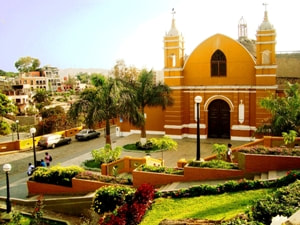
Barranco's main plaza
Bajada de los baños
Mirador (lookout) at Barranco
Museums in Barranco
Pedro de Osma Museum
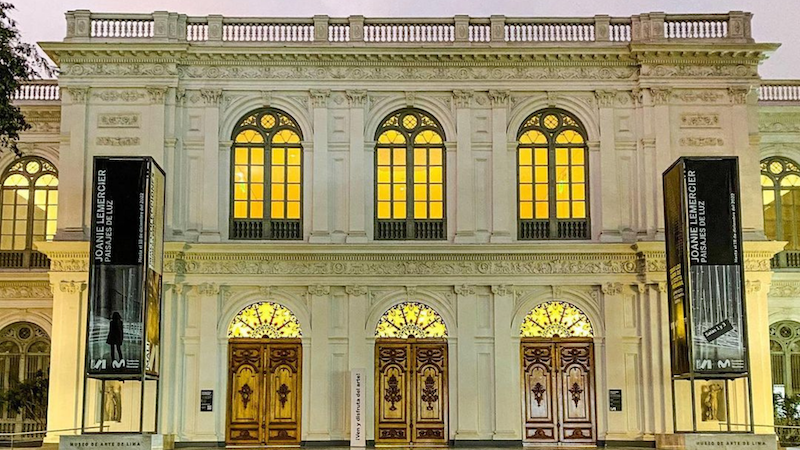
Museum of Contemporary Art (MAC)
Art Galleries in Barranco
Jade Rivera Gallery
Dédalo Gallery
80m2 Livia Benavides Galler
Bridge of Sighs
Barranco's main plaza
Bajada de los baños
Mirador (lookout) at Barranco
Museums in Barranco
Pedro de Osma Museum
Museum of Contemporary Art (MAC)
Art Galleries in Barranco
Jade Rivera Gallery
Dédalo Gallery
80m2 Livia Benavides Galler
RESTAURANTS IN BARRANCO
Barranco is a very walkable district and due to the stunning architectural heritage and graffiti art masterpieces, it would be a shame if you missed it by opting to move round by car. The district abounds in tiny restaurants that offer varied cuisine, Barranco having leveled up (some would say surpassed) Miraflores in terms of its foodie scene. Here are a few of our favorites:
Central: another pick among the world’s best restaurants, sustainable and artistic
Kjolle: and again, another global favorite, with the chef Pia Leon at the helm
Isolina: yet again, another worldwide winner dishing up Peruvian comfort food
Siete: boutique, under-the-radar kind of vibe with the freshest dishes around
Mérito: pushes the envelope in terms of creativity while offering impressive flavor
Central: another pick among the world’s best restaurants, sustainable and artistic
Kjolle: and again, another global favorite, with the chef Pia Leon at the helm
Isolina: yet again, another worldwide winner dishing up Peruvian comfort food
Siete: boutique, under-the-radar kind of vibe with the freshest dishes around
Mérito: pushes the envelope in terms of creativity while offering impressive flavor
BARRANCO AIRPORT TRANSFERS
Barranco is the next district over from Miraflores, in the opposite direction of the airport. In terms of actual, physical distance, the difference isn't much, but with traffic you can add 10 minutes to the Miraflores estimates, so on average, 55 minutes to an hour and 10 minutes.
HOTELS IN LIMA
In Lima you'll find everything from large international chains, like the JW Marriott, to quaint B&Bs like Second Home Peru. While luxury chains can run you a couple hundred dollars a night, you can find some amazing charmers that feel just as luxurious for around $100 per night. Our faves in terms of boutique hotels include Casa Republica, Villa Barranco, and Hotel B, and as for the chains, you can't go wrong with Marriott (both JW and AC), the Hilton, Aloft or Casa Andina.
Now, if you just want to sit back and relax and leave it to the pros, you can check out our Lima food and city tours which cover both districts plus San Isidro, the main sights, some hands-on activities and was designed for people who have limited time in Lima but who want to see the city and taste the best dishes in one day.
Now, if you just want to sit back and relax and leave it to the pros, you can check out our Lima food and city tours which cover both districts plus San Isidro, the main sights, some hands-on activities and was designed for people who have limited time in Lima but who want to see the city and taste the best dishes in one day.
THINGS TO DO IN LIMA
Here's a map of some of our favorite places around Lima. ¡Buen viaje!
Lima Travel Tips
All
Peruvian Recipes
Restaurants In Lima
Travel Tips For Lima Peru
What To Do In Lima
 RSS Feed
Your Lima Travel Guides
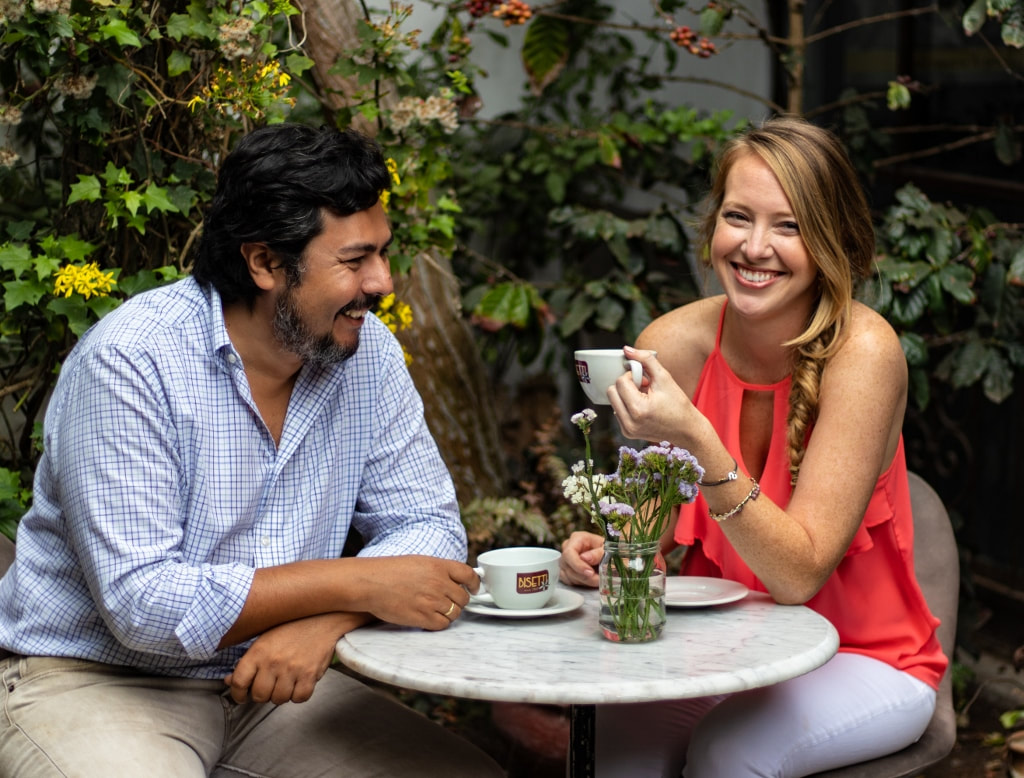
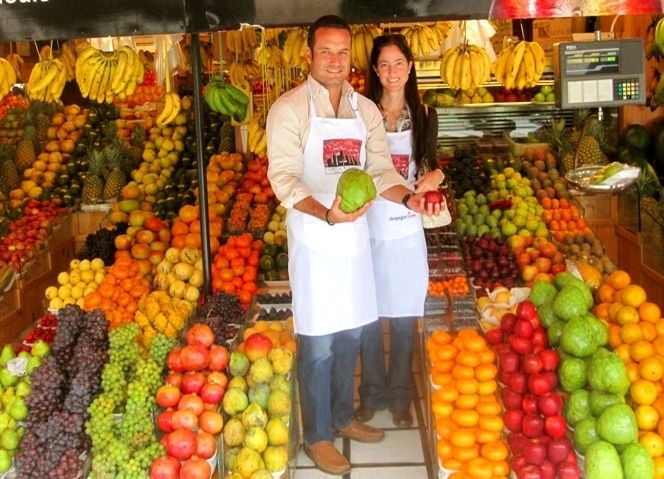
Things to do in Lima that make people fall in love with the city - that's precisely what we're after. We're Lucas and Sam, a Peruvian-American couple who have run the top tour in Lima for the past 10 years. It’s no coincidence that the best activities in Lima have to do with Peru’s amazing cuisine. This Kansas City girl and Lima native have lived all over the world in their corporate past lives but they traded in the daily grind for sharing their love of good food, showing off the city’s secrets and meeting awesome people along the way.

TOURS
The ultimate Lima tours: no planning needed because we've already done the work for you. Prepare to experience the best of Lima.